

E-Fuels and Decarbonization: Powering the Transition to a Cleaner Future
As the world moves to reduce its carbon footprint, the focus has largely been on electrification solar panels, wind turbines, and electric vehicles often dominate the headlines. But for many sectors like aviation, shipping, and heavy-duty transport, direct electrification remains a technical and economic challenge. That’s where e-fuels, or synthetic fuels, enter the picture as a promising complement in the broader strategy for decarbonization.
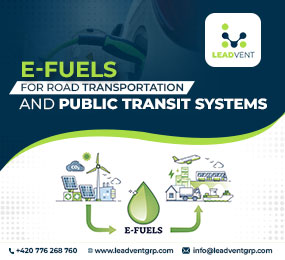
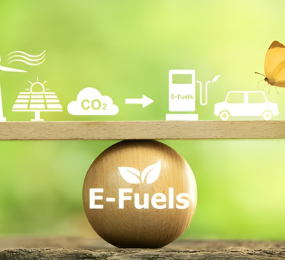
E-fuels are produced by combining green hydrogen derived from water electrolysis powered by renewable energy with captured carbon dioxide. The result is a fuel that can closely mimic traditional fossil fuels in both performance and application, but with significantly lower emissions if produced sustainably.
The Case for E-Fuels in the Climate Equation
The beauty of e-fuels lies in their compatibility. They can be used in existing engines, refineries, and distribution infrastructure. This makes them a viable transitional option, especially in industries where fleet replacement or electrification is impractical.
Take aviation, for instance. The aviation sector contributes nearly 2.5% of global CO? emissions, and battery-powered planes remain far from being commercially viable. E-kerosene an e-fuel version of jet fuel offers a cleaner alternative that could work with today’s aircraft. Similarly, in the maritime sector, synthetic fuels can be blended with or replace marine diesel, helping shipping giants meet international climate targets.
Challenges and Innovation
Despite their promise, e-fuels are not without hurdles. The production process is energy-intensive and currently more expensive than fossil fuels. Scaling up will require significant investment, policy support, and technological advancement.
Yet, there is progress. Pilot projects are underway in Europe, South America, and Asia, with energy firms, automakers, and airlines collaborating to bring costs down and improve efficiency. Governments are beginning to recognize the potential of e-fuels in achieving their net-zero goals, especially as they set emissions standards for harder-to-decarbonize sectors.
Beyond Carbon: A Systems Approach
What makes e-fuels truly significant is not just their ability to reduce emissions, but how they fit into a larger circular carbon economy. By using CO? captured from industrial processes or even directly from the air, e-fuels can help close the carbon loop rather than simply displace it.
Moreover, e-fuels could offer developing nations with abundant renewable resources a new role in the global energy supply chain—as exporters of clean fuel rather than just raw materials.
Takeaway Point
E-fuels are not a silver bullet, but they are a valuable tool in the complex challenge of global decarbonization. By enabling low-carbon alternatives for sectors where electrification isn't feasible, they provide a practical path forward. With the right investments, collaboration, and regulatory support, e-fuels could become a vital bridge toward a cleaner, more sustainable energy future.
Learn more on our website: https://www.leadventgrp.com/event/2nd-annual-world-e-fuels-summit/register
For more information and group participation, contact us: [email protected]
Leadvent Group - Industry Leading Events for Business Leaders!
www.leadventgrp.com | [email protected]









Comment