

AgriPV Boost: How Solar Shade Improves Crop Yields & Water Efficiency at Europe’s Top Photovoltaic Conference
In the race toward renewable energy and sustainable farming, a groundbreaking innovation is taking center stage: agrivoltaics. Also known as AgriPV, this revolutionary concept merges agriculture with solar energy by installing photovoltaic panels over farmland. In 2025, the significance of this dual-use solution has never been greater. As Europe faces rising temperatures, frequent droughts, and the urgent need for clean energy, the synergy between crops and solar panels offers a promising path forward.
This year, the spotlight will shine on the 4th Annual Agrivoltaics Europe, a leading photovoltaic conference held in Rome from November 4–6, 2025. This event brings together global experts, researchers, energy developers, and agri-innovators to explore collaborative approaches to integrating food and energy production.
Let’s dive into how solar shade from AgriPV systems improves crop yields, conserves water, and reshapes the future of farming.
What Are Agrivoltaics and Why Are They Gaining Momentum?
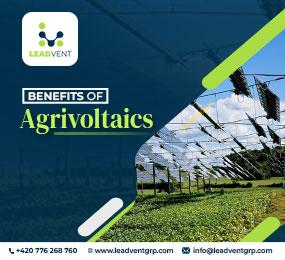
Agrivoltaics refers to the simultaneous use of land for solar power generation and agriculture. Instead of competing for space, crops and solar panels co-exist in harmony. This is achieved by mounting photovoltaic panels in elevated or adjustable configurations that allow sunlight to filter through to the crops below.
In 2025, Europe continues to embrace AgriPV as a key part of its Green Deal and renewable energy targets. According to market projections, the global agrivoltaics industry is expected to grow from $4.6 billion in 2024 to over $7.8 billion by 2029, with Europe as a major driver of innovation and adoption.
How Solar Shade Enhances Crop Yields
One of the biggest myths surrounding solar panel installations on farms is that they reduce crop productivity. However, recent studies suggest the opposite.
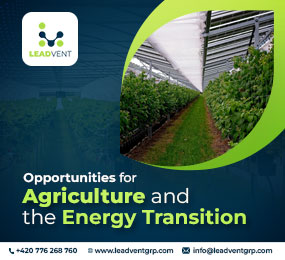
Solar shade from elevated AgriPV panels provides a cooler microclimate for crops. By filtering harsh sunlight and reducing temperature extremes, certain crops—especially those sensitive to heat—can actually thrive under these conditions.
Research from various agrivoltaic test sites in Italy, France, and Germany shows:
- 10–15% increase in yield for leafy greens like spinach and lettuce.
- Reduced crop stress during peak summer heatwaves.
- Improved fruit quality in vineyards due to controlled sun exposure.
At the upcoming photovoltaic conference in Rome, agronomists and researchers will showcase these findings with real-world case studies and pilot project outcomes.
Water Efficiency: A Hidden Benefit of AgriPV Systems
Water scarcity is one of the biggest threats to agriculture, particularly in southern Europe. AgriPV systems help address this through natural evaporation control.
The shade cast by solar panels reduces soil moisture loss, which means crops require less frequent irrigation. Additionally, the condensation that forms on panels overnight can be harvested and used for micro-irrigation systems.
A recent project in Spain’s Murcia region showed that AgriPV installations reduced irrigation needs by up to 20%, without compromising crop quality.
This blend of energy generation and water conservation is particularly valuable for Mediterranean climates and dryland regions, making AgriPV a climate-resilient strategy.
Inside the 4th Annual Agrivoltaics Europe – Rome 2025
The 4th Annual Agrivoltaics Europe is not just another conference—it’s the premier photovoltaic conference dedicated to exploring the future of dual-use land strategies in Europe. Hosted in Rome, this hybrid event (in-person and online) is scheduled for November 4–6, 2025.
Key Focus Areas:
- Technological innovations in vertical, tilted, and tracking solar systems.
- Shade modeling and simulation for different crop types.
- Regulatory frameworks and financial models for AgriPV scale-up.
- Success stories from vineyards, orchards, and arid farms across Europe.
With over 100 speakers, including energy ministers, researchers, solar developers, and farmers, this event aims to bridge the gap between theory and field application.
Notable sessions will explore:
- “How AgriPV is Changing EU Land Use Policy”
- “The Science of Shade: Maximizing Yields Under Panels”
- “Floating Agrivoltaics: Future of Water-Integrated Farming”
What Makes This Topic Crucial for 2025?
The increasing relevance of agrivoltaics in 2025 is tied to multiple global pressures:
- Energy demand is rising, especially for decarbonized sources.
- Climate change is reducing arable land and water availability.
- Farmers need new income streams and protection from extreme weather.
AgriPV provides a solution that aligns with all three concerns. By sharing the land, farmers not only maintain productivity but also gain additional revenue from solar energy generation.
Moreover, the photovoltaic conference in Rome is a platform where collaboration happens—between governments, private developers, and agricultural communities. These connections are vital to scale AgriPV solutions across the continent.
Conclusion: Dual Benefits, One Future
Agrivoltaics isn’t just about placing panels on farmland—it’s about reimagining agriculture and energy as partners, not competitors. From higher yields to better water use and clean energy generation, the advantages are clear.
With Europe setting ambitious climate targets, platforms like the 4th Annual Agrivoltaics Europe serve as critical catalysts for change. By uniting stakeholders, sharing breakthroughs, and showcasing results, this photovoltaic conference will shape the AgriPV roadmap for the next decade.





Comment