

Marine Fuels: Powering Global Trade Behind the Scenes
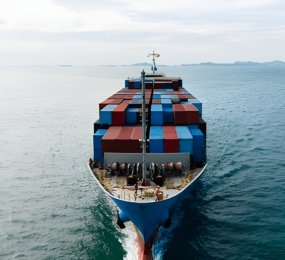
Marine fuels rarely attract public attention, yet they are fundamental to the global economy. Nearly everything that moves across continents food, fuel, vehicles, raw materials travels by sea at some point. At the heart of this system are marine fuels, the energy sources that keep vessels moving efficiently across vast oceans.
Traditionally, the shipping industry has relied on heavy fuel oil (HFO), a dense, residual fuel known for its affordability and high energy content. For decades, HFO powered large commercial vessels due to its cost advantage and availability. However, its high sulfur content and emissions profile have placed it under increasing scrutiny as environmental standards tighten.
To meet modern regulations, many vessels now operate on marine gas oil (MGO) or very low sulfur fuel oil (VLSFO). These fuels burn cleaner than traditional HFO and help ship operators comply with international sulfur limits. While more expensive, they reduce harmful emissions and support safer operations in environmentally sensitive waters and ports.
Fuel quality in marine operations is critical. Engines operate continuously for long periods under heavy loads, often far from maintenance facilities. Poor-quality fuel can lead to engine damage, operational delays, and significant financial losses. This is why fuel testing, proper storage, and strict handling procedures remain essential parts of marine fuel management.
Cost is another defining factor. Fuel expenses represent a major portion of a vessel’s operating budget, directly influencing freight rates and global trade costs. Even small fluctuations in fuel prices can ripple across supply chains, affecting everything from consumer goods pricing to industrial production timelines.
In recent years, environmental responsibility has become a central issue for the maritime sector. The International Maritime Organization (IMO) has introduced regulations aimed at reducing sulfur emissions and greenhouse gases from shipping. These policies are reshaping fuel choices and accelerating interest in alternative marine fuels.
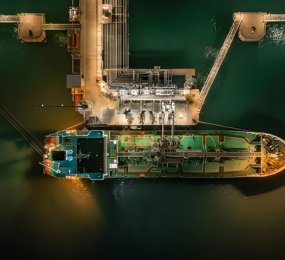
Liquefied natural gas (LNG) has emerged as one of the more established alternatives, offering lower emissions compared to conventional fuels. Other options, including biofuels, methanol, and ammonia, are also gaining attention as potential long-term
solutions. While promising, these alternatives face challenges related to infrastructure, cost, and large-scale adoption.
Despite these hurdles, change is underway. Shipowners, fuel suppliers, and regulators are working together to balance operational efficiency with environmental expectations. The transition is gradual, but it reflects a broader shift toward responsible shipping without compromising reliability.
As global trade continues to expand, marine fuels will remain a cornerstone of maritime operations. The focus is no longer just on keeping ships moving, but on how they move efficiently, safely, and with greater awareness of their environmental impact.
Key Takeaway
Marine fuels are essential to global trade, and the industry’s shift toward cleaner options reflects a growing commitment to efficiency, compliance, and environmental responsibility.
Learn more on our website: https://www.leadventgrp.com/event/world-sustainable-marine-fuels-forum/register For more information and group participation, contact us: [email protected]
Leadvent Group - Industry Leading Events for Business Leaders!
www.leadventgrp.com | [email protected]














Comment