

HVDC Transmission: Powering Renewable Energy Growth
The renewable energy transition is changing how electricity networks are planned and operated. While renewable generation capacity continues to increase, many of the most valuable resources are located far from population centres.
Offshore wind farms, for example, often require advanced transmission systems to transport electricity from marine environments to onshore grids. Traditional transmission approaches may face limitations over long distances, especially when submarine cables are involved.
This is where HVDC transmission provides significant value. High-voltage direct current systems are designed for efficient long-distance power transfer and are increasingly considered for renewable energy projects requiring reliable connections between generation sites and consumption areas.
For energy companies, utilities, and infrastructure investors, understanding HVDC technology is essential for evaluating future-ready transmission strategies.
Connecting remote renewable resources efficiently
Offshore renewable projects are becoming increasingly important in global energy strategies. However, their distance from shore creates complex engineering and operational challenges.
HVDC Transmission supports these projects by enabling efficient electricity transfer over long submarine routes. Modern HVDC systems, particularly Voltage Source Converter (VSC) technology, provide greater flexibility in managing renewable power flows and integrating offshore generation into existing electricity networks.
Key advantages include:
- Efficient long-distance electricity transmission
- Greater flexibility for connecting offshore renewable projects
- Improved control of power flows
- Support for regional and cross-border electricity connections
For senior decision-makers, the strategic benefit is clear: HVDC technology can help organisations develop renewable infrastructure that is scalable, reliable, and aligned with future energy requirements.
The Growing Importance of Submarine Power Cable Installation
While HVDC Transmission enables renewable connectivity, successful project execution depends heavily on effective submarine power cable installation.
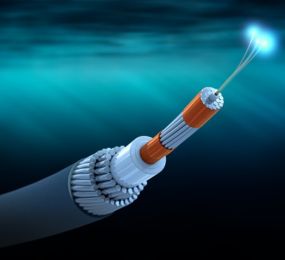
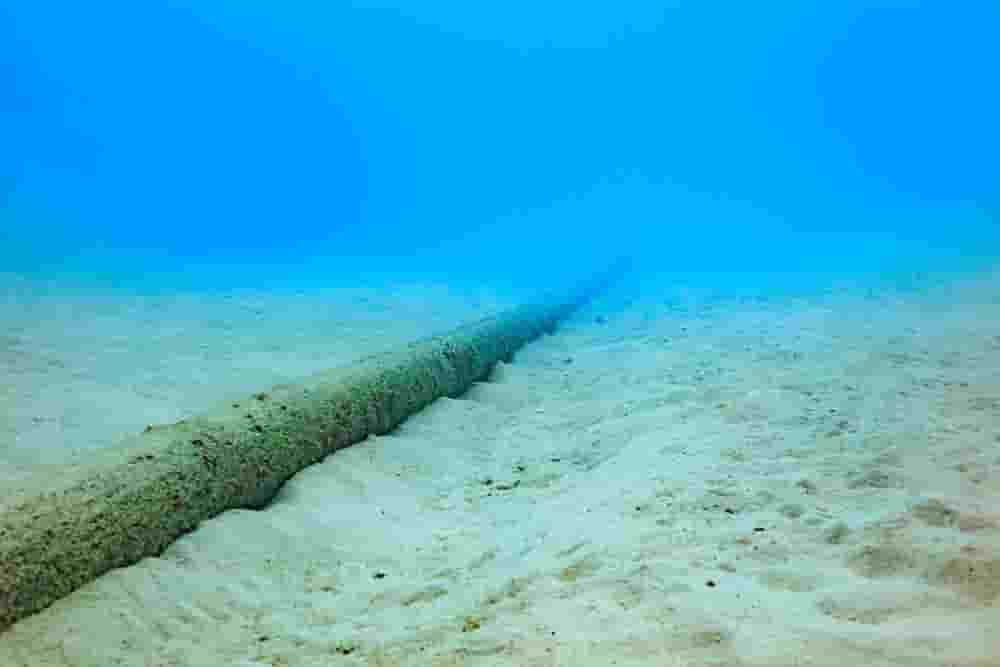
Submarine cables operate in demanding marine environments and require extensive planning before installation begins. Route selection, seabed conditions, cable protection, vessel capabilities, and long-term maintenance strategies all influence project success.
A well-planned submarine power cable installation process requires collaboration between multiple stakeholders, including:
- Renewable energy developers
- Cable manufacturers
- Offshore contractors
- Engineering consultants
- Transmission operators
The increasing scale of offshore wind and interconnection projects means that organisations must continuously evaluate new technologies, installation approaches, and operational strategies.
Strategic Insights for Leaders Driving Energy Infrastructure
Large-scale energy projects involve complex decisions, significant investments, and multiple stakeholders. Access to accurate market intelligence and technical expertise can help leaders make better-informed decisions.
Industry forums and executive gatherings provide opportunities to:
- Understand emerging technology developments
- Exchange experiences with global professionals
- Identify potential strategic partnerships
- Learn from technical experts and keynote speakers
- Evaluate future market opportunities
For organisations operating in the renewable energy sector, these conversations provide valuable perspectives that go beyond technical specifications. They help leaders understand market direction, business risks, and opportunities for collaboration.
Who Should Attend the Submarine Power Cable and Interconnection Forum?
The forum is designed for professionals involved in renewable energy infrastructure, submarine cable systems, and power interconnection projects, including:
- C-level executives and corporate leaders
- Senior managers and directors
- Renewable energy developers and utilities
- Transmission operators and engineering professionals
- Technology providers, investors, and consultants
Attendees will gain access to industry insights, expert discussions, and networking opportunities focused on the future of offshore energy connectivity.
Why Executive-Level Networking Matters in Renewable Energy
Energy infrastructure decisions are rarely made by a single organisation. Developers, utilities, technology providers, investors, and engineering companies must work together to deliver successful projects.
Events focused on specialised sectors create valuable environments where professionals can exchange ideas, explore collaboration opportunities, and discuss practical challenges.
Leadvent Group’s industry forums bring together senior professionals through focused discussions, expert presentations, and networking opportunities designed to support meaningful business conversations.
Preparing for the Next Era of Renewable Energy Connectivity
The future of renewable energy depends on more than generating clean power. It requires advanced transmission systems that can connect resources, strengthen grids, and support a more interconnected energy future.
HVDC Transmission is becoming a key technology in this transformation by enabling efficient long-distance electricity transfer and supporting offshore renewable development. At the same time, successful Submarine Power Cable Installation remains essential for ensuring reliable connections between offshore projects and onshore networks.
For executives and industry leaders, staying informed about these developments is critical to making strategic infrastructure decisions.
The 6th Annual Submarine Power Cable and Interconnection Forum by Leadvent Group brings together key decision-makers, technical experts, and industry professionals to discuss the challenges and opportunities shaping the global submarine power sector.
Participants can explore:
- Latest developments in HVDC Transmission and renewable energy integration
- Innovations and challenges in Submarine Power Cable Installation
- Global interconnection strategies and market developments
- Insights from keynote speakers and industry specialists
- Opportunities to develop strategic partnerships with industry leaders
As the energy sector moves toward greater connectivity, access to expert knowledge and valuable industry relationships can help organisations identify opportunities and prepare for future challenges.
Join Leadvent Group’s 6th Annual Submarine Power Cable and Interconnection Forum to connect with global energy leaders, gain practical industry insights, and discover the strategies shaping the future of renewable energy transmission.
Frequently Asked Questions (FAQs)
1.Why is HVDC Transmission important for renewable energy integration?
HVDC Transmission supports renewable energy integration by enabling efficient electricity transfer over long distances. It is particularly valuable for offshore wind projects and remote renewable energy sources that require reliable connections to major electricity networks.
2. What challenges impact Submarine Power Cable Installation?
Submarine Power Cable Installation involves complex planning around marine conditions, cable routing, installation vessels, protection requirements, and long-term reliability. Successful execution requires coordination between technical teams, suppliers, contractors, and project owners.
3.Who benefits from attending a submarine power cable and interconnection forum?
Energy executives, project leaders, utilities, renewable developers, transmission operators, technology providers, and investors can benefit from attending. The forum provides access to expert discussions, industry trends, networking opportunities, and insights supporting strategic decision-making.
4.How can executives measure the value of attending industry events?
Executives can evaluate event value by considering speaker expertise, attendee profiles, networking opportunities, relevance of discussions, and potential business outcomes. The right forum can provide knowledge and connections that support future strategic initiatives.










Comment