

Floating Solar: Expanding Renewable Energy Across Water Surfaces
As countries accelerate renewable energy deployment, developers are increasingly turning to innovative siting solutions. Floating solar, also known as floating photovoltaic (FPV) systems, offers a practical way to expand solar capacity without competing for valuable land resources.
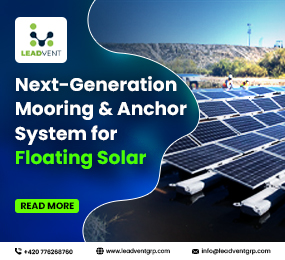
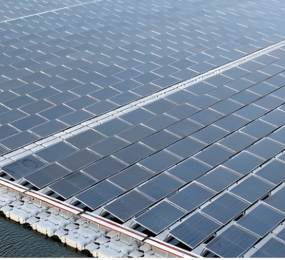
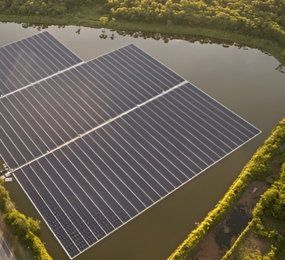
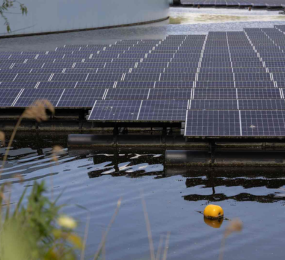
Unlike traditional ground-mounted installations, floating solar systems are deployed on calm water bodies such as reservoirs, irrigation ponds, quarry lakes, and water treatment facilities. Solar panels are mounted on buoyant platforms that are anchored securely to the shoreline or reservoir bed. While the concept may appear unconventional, the underlying photovoltaic technology remains consistent with land-based systems.
One of the most compelling advantages of floating solar is land preservation. In densely populated regions or areas with competing agricultural and industrial demands, securing large parcels of land for solar projects can be costly and complex. Utilizing existing water surfaces provides an alternative that supports renewable expansion without displacing other land uses.
Performance considerations also support the case for floating solar. Water has a natural cooling effect on solar modules, which can reduce operating temperatures. Since photovoltaic panels operate more efficiently at lower temperatures, this cooling effect may enhance overall system performance. While gains vary depending on climate and installation design, improved efficiency can strengthen long-term project returns.
Floating solar also presents synergies with hydropower infrastructure. Installing solar arrays on hydropower reservoirs allows operators to leverage existing grid connections and transmission assets. Solar generation during daylight hours can complement hydropower output, creating a more balanced and flexible renewable energy profile. This hybrid model improves asset utilization and enhances grid stability.
Environmental stewardship remains central to project development. Careful assessment is required to ensure minimal disruption to aquatic ecosystems and water quality. Proper spacing between panels allows light penetration and maintains oxygen exchange. In some climates, floating solar installations can reduce water evaporation, providing an added benefit for reservoirs in water-stressed regions.
From a financial perspective, floating solar systems may involve slightly higher upfront costs due to specialized floating structures and anchoring mechanisms. However, savings on land acquisition and potential performance gains can offset these expenses. As global deployment increases and supply chains mature, equipment costs are gradually becoming more competitive.
Regulatory clarity plays a defining role in adoption. Developers must navigate water-use rights, environmental permits, and grid interconnection requirements. Strong collaboration between project developers, local authorities, and utilities is essential to ensure smooth implementation.
Globally, floating solar capacity continues to expand, particularly in Asia and parts of Europe. Utilities and independent power producers are integrating floating solar into broader renewable portfolios as a complementary solution rather than a replacement for land-based systems.
Floating solar reflects the evolving nature of renewable energy development. By making productive use of underutilized water surfaces, it broadens the scope of solar deployment and supports diversified clean energy strategies.
Key Takeaway
Floating solar offers a practical way to expand renewable capacity, preserving land resources while improving system flexibility and supporting sustainable energy growth.
Learn more on our website: https://www.leadventgrp.com/event/6th-annual-floating-solar-pv-forum/register
For more information and group participation, contact us: [email protected]
Leadvent Group - Industry Leading Events for Business Leaders!
www.leadventgrp.com | [email protected]





Comment