

Fleet Electrification: Transforming Commercial Transport for a Low-Carbon Future
Fleet electrification is rapidly reshaping the transport landscape. What began as pilot programs among forward-looking companies has evolved into structured transition strategies across logistics, public transport, utilities, and corporate mobility sectors. As regulatory pressures increase and sustainability commitments become measurable, electrifying vehicle fleets is now a strategic business decision.
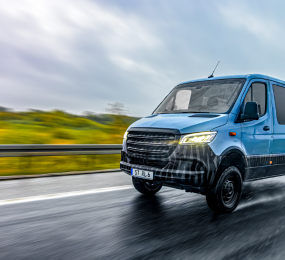
Commercial fleets often account for a significant share of organizational emissions. Delivery vans, service vehicles, buses, and light-duty trucks operate daily and accumulate high mileage. Transitioning these vehicles to electric alternatives offers a direct pathway to lowering operational carbon footprints while improving cost predictability.
One of the strongest economic drivers behind fleet electrification is total cost of ownership. Although battery-electric vehicles typically involve higher upfront capital expenditure, long-term operating costs are often lower. Electricity tends to offer greater price stability compared to diesel or petrol, and electric drivetrains have fewer moving components, reducing routine maintenance needs. For high-usage fleets, these operational savings can offset initial investment over time.
Strategic planning is central to a successful transition. Fleet managers must analyze route structures, daily mileage, payload requirements, and dwell times. Many urban and regional routes are already well within the range capabilities of modern electric vehicles. Depot-based fleets, in particular, benefit from predictable charging windows, making overnight charging both practical and efficient.
Charging infrastructure is often the most complex aspect of fleet electrification. Installing charging stations requires evaluating grid capacity, load balancing strategies, and potential demand charges. Some organizations are integrating on-site renewable energy systems and battery storage to manage peak loads and improve energy resilience. Careful coordination with utilities ensures that infrastructure expansion aligns with operational growth.
Policy frameworks continue to accelerate momentum. Incentives, tax credits, and low-emission zone regulations are influencing procurement decisions across multiple markets. In some regions, clear timelines for phasing out internal combustion engine vehicle sales are encouraging businesses to align long-term fleet renewal plans with evolving regulatory standards.
Beyond cost and compliance, electrification can strengthen brand reputation. Customers and investors increasingly evaluate companies based on environmental performance. Visible adoption of electric fleets demonstrates tangible commitment to sustainability targets and responsible operations.
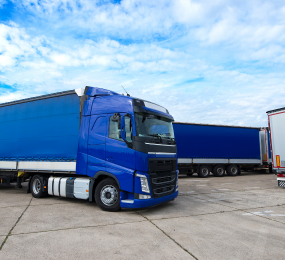
However, fleet electrification is not universally straightforward. Heavy-duty, long-haul applications may face range limitations or insufficient charging infrastructure in certain areas. In these cases, a phased approach, combining electrification with alternative fuels or hybrid technologies can provide operational continuity while technology advances.
Digital fleet management systems are enhancing the effectiveness of electrified fleets. Real-time monitoring of vehicle performance, charging patterns, and energy consumption enables data-driven decision-making. These insights support efficiency improvements and cost control across operations.
Fleet electrification represents more than a vehicle replacement strategy. It requires alignment between operational planning, financial modeling, infrastructure development, and workforce readiness. Organizations that approach the transition methodically are better positioned to realize both environmental and economic benefits.
Key Takeaway
Fleet electrification delivers measurable emissions reductions and long-term operational savings, but success depends on strategic planning, infrastructure readiness, and alignment with business objectives.
Learn more on our website: https://www.leadventgrp.com/event/fleet-electrification-and-decarbonisation-forum/register
For more information and group participation, contact us: [email protected]
Leadvent Group - Industry Leading Events for Business Leaders!
www.leadventgrp.com | [email protected]












Comment