

E-Fuels: Driving the Transition to Cleaner Mobility
The global shift toward decarbonization has put transport under the spotlight. While electric vehicles are gaining momentum, not all sectors of mobility can easily make the transition. Heavy-duty transport, aviation, and shipping face unique challenges that demand alternatives beyond electrification. This is where e-fuels synthetic fuels made using renewable energy and captured carbon dioxide are stepping in as a promising solution.
What Are E-Fuels?
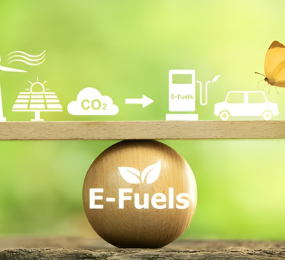
E-fuels, also known as synthetic fuels, are produced by combining hydrogen (derived from renewable-powered electrolysis) with carbon dioxide captured from the air or industrial processes. The result is a liquid fuel that can be used in existing engines and infrastructure, offering a cleaner alternative to fossil fuels.
Unlike biofuels, which rely on agricultural feedstocks, e-fuels are fully synthetic and can be created without competing with food production or land use. This makes them especially attractive for scaling sustainably.
Why E-Fuels Matter
The transport sector contributes nearly a quarter of global CO? emissions. While electric vehicles are well-suited for passenger cars, long-haul trucks, airplanes, and ships need energy-dense fuels that batteries alone cannot yet provide. E-fuels deliver this energy density while significantly reducing lifecycle emissions.
Their compatibility with existing combustion engines and fueling infrastructure also makes them an immediate option. Instead of waiting for entirely new technologies or fleets, industries can use e-fuels in current systems, accelerating the path to lower emissions.
Applications Across Sectors
1. Aviation: E-fuels are being tested as a sustainable jet fuel, complementing the development of sustainable aviation fuels (SAF).
2. Shipping: The maritime industry is exploring synthetic fuels to meet International Maritime Organization (IMO) decarbonization goals.
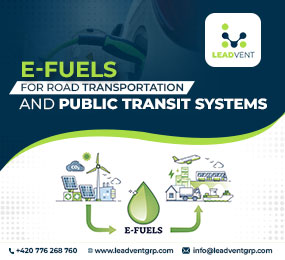
3. Road Transport: While EVs dominate future passenger mobility strategies, e-fuels can extend the life of existing vehicles and reduce emissions in hard-to-electrify segments.
Challenges to Overcome
Despite their promise, e-fuels are still in the early stages of scaling. Production is energy-intensive, requiring vast amounts of renewable electricity. Current costs are also higher than fossil fuels, which limits immediate adoption. To close this gap, investment in renewable energy infrastructure, carbon capture, and electrolysis technologies is essential.
Global collaboration and supportive policies will play a decisive role. Incentives, subsidies, and mandates can create the market conditions necessary for e-fuels to compete and expand.
Looking Forward
E-fuels are not a replacement for electrification but rather a complementary solution. As the world races toward net zero, no single technology can meet all needs. By providing a pathway for sectors that cannot easily electrify, e-fuels help broaden the toolbox of clean energy options.
With growing investment and innovation, the cost curve is expected to fall, making e-fuels increasingly viable over the next decade. For industries and governments, embracing e-fuels means accelerating the transition while ensuring that no sector is left behind.
Takeaway Point: E-fuels provide a practical bridge to decarbonization, especially for hard-to-electrify sectors. While challenges of cost and scale remain, their potential to use renewable energy and captured carbon makes them a vital part of the clean mobility puzzle.
Learn more on our website: https://www.leadventgrp.com/event/2nd-annual-world-e-fuels-summit/register
For more information and group participation, contact us: [email protected]
Leadvent Group - Industry Leading Events for Business Leaders!
www.leadventgrp.com | [email protected]











Comment