

World ESG: Building a Global Framework for Sustainable Growth
In today’s interconnected world, businesses are expected to deliver more than profit. They are being held accountable for how their actions affect the planet, people, and communities. This shift has placed Environmental, Social, and Governance (ESG) principles at the center of global business strategy. What began as a voluntary framework is now becoming an essential marker of resilience and trust.
The Rise of ESG on the Global Stage
Across continents, ESG has moved from boardroom discussions into everyday business decisions. Investors are increasingly prioritizing companies with strong sustainability credentials, while regulators are introducing stricter reporting requirements. For global corporations, ESG is no longer optional it is a competitive necessity.
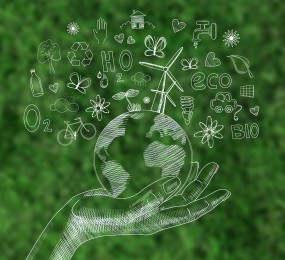
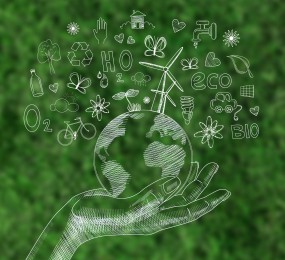
Environmental responsibility focuses on reducing carbon footprints, protecting biodiversity, and transitioning toward clean energy. Social responsibility ensures fair labor practices, inclusivity, and support for local communities. Governance emphasizes transparency, ethical leadership, and accountability. Together, these pillars form a blueprint for businesses to thrive while addressing some of the world’s most pressing challenges.
ESG as a Driver of Long-Term Value
Businesses that embed ESG practices often see more than just reputational benefits. Strong ESG performance has been linked to financial stability, investor confidence, and operational efficiency. For instance, companies that manage resources responsibly reduce waste and costs, while those with inclusive policies attract and retain top talent.
Global examples demonstrate that ESG is not only about compliance but also about building resilience. Firms that integrate sustainability are often better prepared to navigate climate risks, supply chain disruptions, or social unrest. This positions them as leaders in both profit and purpose.
The Challenges of Implementation
While the benefits of ESG are clear, its implementation across the world is uneven. Different regions face unique challenges from limited regulatory frameworks in developing markets to inconsistent reporting standards across industries. Smaller businesses may struggle with the costs of transitioning to sustainable practices, while
larger corporations often face scrutiny over whether their commitments are genuine or “greenwashing.”
Collaboration for a Sustainable Future
Addressing these gaps requires collective effort. Governments, businesses, and civil society must work together to establish transparent metrics and enforce accountability. Initiatives such as the United Nations Sustainable Development Goals (SDGs) and international climate agreements provide guiding frameworks for aligning ESG practices with global priorities.
Equally important is knowledge sharing across regions. By learning from best practices in countries where ESG is well-established, emerging economies can adapt these models to their own contexts, ensuring inclusivity in the global sustainability movement.
Looking Forward
The future of ESG will depend on its ability to remain flexible and responsive. As climate challenges intensify and social demands evolve, ESG will continue to be a compass for decision-making. Businesses that take ESG seriously today are not only preparing for tomorrow’s risks but also contributing to a more just and sustainable world.
Takeaway Point: World ESG is more than a reporting tool it is a global movement shaping responsible growth. By aligning profit with purpose, businesses can secure long-term success while building a healthier planet and fairer societies.
Learn more on our website: https://www.leadventgrp.com/event/3rd-annual-world-esg-and-climate-summit/register
For more information and group participation, contact us: [email protected]
Leadvent Group - Industry Leading Events for Business Leaders!
www.leadventgrp.com | [email protected]












Comment