

Automotive Safety: Protecting Lives on the Road
Every time we step into a car, safety becomes the silent promise between technology and the driver. From the earliest seat belts to advanced driver assistance systems, automotive safety has continually evolved with one ultimate goal: saving lives.
The Foundation of Safety
The story of automotive safety began with simple yet revolutionary innovations like seat belts and airbags. These developments dramatically reduced fatalities and injuries during collisions, setting the standard for car design worldwide. Over the years, regulations and consumer demand pushed automakers to integrate more protective features, ensuring that safety became central to every vehicle produced.
Technology Taking the Wheel
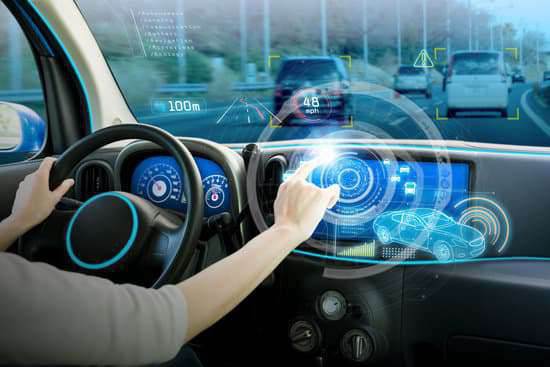
Modern automotive safety is no longer just about passive measures like airbags or crumple zones. Today’s vehicles are equipped with intelligent systems designed to prevent accidents before they happen. Features such as automatic emergency braking, lane-keeping assistance, blind-spot monitoring, and adaptive cruise control are now common in many cars.
These technologies, powered by sensors, cameras, and software, act as an extra pair of eyes and reflexes for the driver. For instance, automatic braking can reduce the severity of collisions or prevent them altogether, while lane-keeping assistance helps avoid unintended swerves that could lead to serious accidents.
Human Factors Still Matter
Despite the rise of advanced safety systems, human behavior remains a critical factor in road safety. Distracted driving, speeding, and impaired driving continue to cause thousands of accidents globally each year. Automotive safety, therefore, is not just about technology it is also about responsibility. Public awareness campaigns and driver education programs remain vital in building safer roads.
Safety and the Road to Autonomy
As the industry moves toward autonomous vehicles, safety remains the cornerstone of innovation. Self-driving technology is being designed with the hope of eliminating human error the cause of most road accidents. While we are not fully there yet, the progress in automation already supports drivers by reducing risks and increasing confidence behind the wheel.
The Broader Impact
Automotive safety goes beyond protecting individual drivers and passengers. Safer vehicles contribute to healthier communities by lowering the number of fatalities and reducing the strain on emergency services. They also support sustainability by encouraging responsible design, ensuring cars are not only efficient but also secure for all road users, including pedestrians and cyclists.
Looking Ahead
The future of automotive safety will be shaped by continuous innovation and global collaboration. Automakers, policymakers, and technology developers are working together to set new standards, test emerging systems, and improve vehicle design. With each advancement, the goal remains unchanged: fewer accidents and more lives saved.
Takeaway Point: Automotive safety is more than technology it is a shared commitment between innovation, regulation, and drivers. While advanced systems are redefining what safe driving means, human responsibility will always be at the heart of protecting lives on the road.
Learn more on our website: https://www.leadventgrp.com/event/3rd-annual-automotive-functional-safety-forum/register
For more information and group participation, contact us: [email protected]
Leadvent Group - Industry Leading Events for Business Leaders!
www.leadventgrp.com | [email protected]















Comment