

World Battery Gigafactories: Driving the Next Generation of Energy Storage
As the world moves toward cleaner energy systems and electric mobility, the demand for high-performance batteries has grown rapidly. At the center of this transformation are battery gigafactories large-scale manufacturing facilities designed to produce lithium-ion batteries and energy storage systems at unprecedented volumes. These facilities are playing a critical role in supporting the growth of electric vehicles, renewable energy storage, and modern energy infrastructure.
A battery gigafactory is essentially a massive production hub capable of manufacturing battery cells, modules, and packs on a large industrial scale. The term “gigafactory” reflects the enormous production capacity of these plants, which often generate battery output measured in gigawatt-hours annually. This scale of production allows manufacturers to meet the rising demand for batteries while reducing costs through economies of scale.
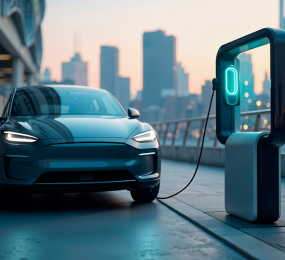
The expansion of gigafactories is closely linked to the rapid growth of the electric vehicle (EV) market. As governments introduce stricter emission regulations and consumers increasingly adopt electric cars, automakers require reliable battery supply chains. Gigafactories provide the production capacity needed to support this transition, enabling vehicle manufacturers to scale up EV production without facing supply shortages.
Beyond transportation, battery gigafactories also play an important role in supporting renewable energy systems. Solar and wind power generation can fluctuate depending on weather conditions, making energy storage essential for balancing electricity supply and demand. Large-scale batteries produced by gigafactories allow excess renewable energy to be stored and used when needed, improving the stability and reliability of power grids.
Countries across North America, Europe, and Asia are investing heavily in gigafactory development to strengthen their energy and manufacturing capabilities. Governments often support these projects through incentives, infrastructure investment, and partnerships with technology companies. These efforts aim not only to accelerate clean energy adoption but also to build resilient supply chains for critical battery materials.
In addition to supporting the energy transition, gigafactories contribute to economic growth. The construction and operation of these facilities create thousands of jobs across engineering, manufacturing, logistics, and research sectors. They also encourage the development of related industries, including battery recycling, raw material processing, and advanced materials research.
Technological innovation is another key driver of gigafactory development. Manufacturers are continuously improving battery chemistry, energy density, and production efficiency. Advances in lithium-ion technology, as well as research into next-generation batteries such as solid-state designs, are expected to further improve battery performance and safety.
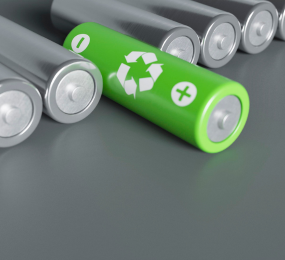
Sustainability is becoming an important focus as well. Battery manufacturers are increasingly working to reduce the environmental footprint of production by using renewable energy in factories, improving resource efficiency, and developing recycling systems that recover valuable materials from used batteries.
Despite the rapid growth of gigafactories, challenges remain. Securing reliable supplies of key raw materials such as lithium, cobalt, and nickel is essential for maintaining production capacity. As demand for batteries increases, responsible sourcing and recycling will become increasingly important to ensure long-term sustainability.
Nevertheless, the expansion of battery gigafactories represents a major step forward in the global shift toward electrification and clean energy. By enabling large-scale battery production, these facilities are helping power the technologies that will shape the future of transportation, energy storage, and sustainable development.
Takeaway Point: Battery gigafactories are essential to the global energy transition, providing the large-scale production needed to support electric vehicles, renewable energy storage, and the broader shift toward a cleaner and more electrified future
For more information and group participation, contact us: [email protected]
Leadvent Group - Industry Leading Events for Business Leaders!
www.leadventgrp.com | [email protected]








Comment