

Battery Gigafactories: Building the Backbone of the Energy Transition
As the global economy shifts toward cleaner energy and electrified transportation, the demand for batteries has grown at an unprecedented pace. At the center of this transformation are battery gigafactories large-scale manufacturing facilities designed to produce batteries in vast quantities. These facilities are not only supporting the rise of electric vehicles but are also playing a crucial role in energy storage and grid stability.
A battery gigafactory is a highly advanced production hub capable of manufacturing battery cells, modules, and packs at scale. The term “gigafactory” reflects the immense output of these facilities, often measured in gigawatt-hours of production capacity each year. This scale allows manufacturers to meet rising global demand while driving down costs through more efficient production processes.
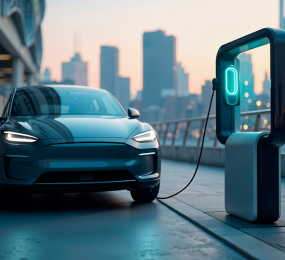
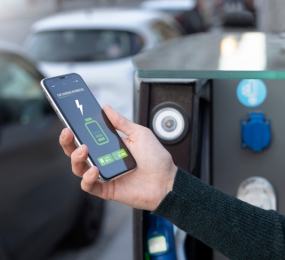
One of the primary drivers behind the growth of gigafactories is the rapid adoption of electric vehicles (EVs). As governments introduce stricter emissions regulations and consumers seek cleaner alternatives to traditional cars, automakers are scaling up EV production. Reliable access to batteries is essential for this transition, and gigafactories provide the capacity needed to support it.
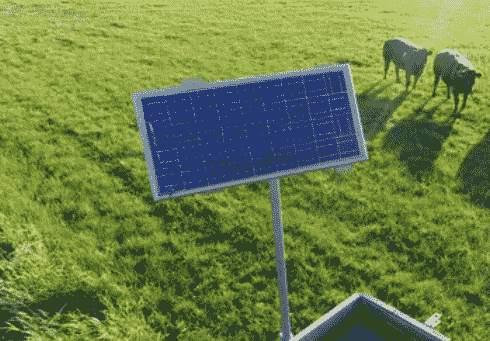
Beyond transportation, battery gigafactories are also critical for renewable energy systems. Solar and wind power generation can vary depending on weather conditions, creating a need for reliable energy storage. Batteries produced at gigafactories allow excess energy to be stored and used when demand is high or generation is low. This helps stabilize power grids and supports the broader integration of renewable energy.
The development of gigafactories is also influencing global supply chains. Countries and regions are investing in local battery production to reduce dependence on imports and strengthen energy security. This has led to increased investment in raw material sourcing, processing, and recycling, creating a more integrated and resilient battery ecosystem.
Economic impact is another significant aspect. Gigafactories generate employment across multiple sectors, including engineering, manufacturing, logistics, and research. Their presence often stimulates regional development, attracting related industries and encouraging infrastructure improvements.
Innovation is at the heart of gigafactory operations. Manufacturers are continuously improving battery technologies to enhance energy density, reduce charging times, and extend lifespan. Research into next-generation solutions, such as solid-state batteries, is ongoing and has the potential to further transform the industry.
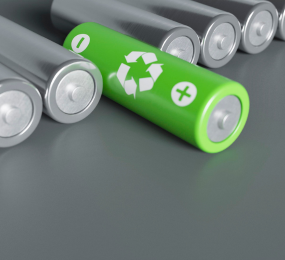
Sustainability is becoming an increasingly important focus. Battery production requires materials such as lithium, cobalt, and nickel, and responsible sourcing of these resources is critical. Many companies are investing in recycling technologies to recover valuable materials from used batteries, reducing environmental impact and supporting a circular economy.
Despite rapid progress, challenges remain. Building and operating gigafactories requires significant capital investment, and scaling production while maintaining quality can be complex. Additionally, ensuring a stable supply of raw materials is essential to meet growing demand.
Even with these challenges, the role of battery gigafactories in the global energy transition is clear. They provide the foundation for electrification, enabling cleaner transportation and more resilient energy systems. As technology advances and production scales further, gigafactories will continue to shape the future of energy and mobility.
Takeaway Point: Battery gigafactories are essential to the clean energy transition, enabling large-scale battery production that supports electric vehicles, renewable energy storage, and a more sustainable global energy system. For more information and group participation, contact us: [email protected]
Leadvent Group - Industry Leading Events for Business Leaders!
www.leadventgrp.com | [email protected]









Comment