

Unlocking the Potential of Wind Power Data for a Sustainable Future
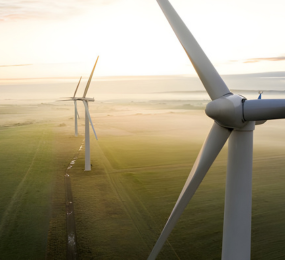
Wind energy has become one of the fastest-growing sources of renewable power in the world. Behind the turbines that dot coastlines and farmlands lies an invisible but crucial resource data. From predicting wind speeds to optimizing turbine performance, wind power data is redefining how clean energy is produced, managed, and expanded.
Why Wind Power Data Matters
At its core, wind power depends on natural conditions that vary by the hour, season, and location. Accurate data on wind patterns, weather conditions, and turbine performance allows operators to make informed decisions. This data-driven approach ensures that turbines generate electricity as efficiently as possible while reducing downtime and maintenance costs.
For governments and policymakers, wind power data also provides insights that help shape energy strategies. Knowing how much power a wind farm can reliably supply allows for better planning of national grids and integration with other energy sources such as solar and hydropower.
Driving Efficiency and Innovation
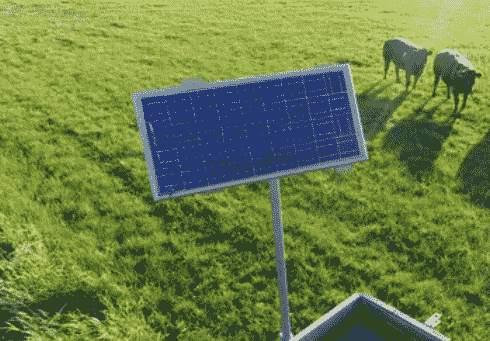
Modern wind turbines are equipped with sensors that constantly collect data on wind speeds, temperature, vibration, and output levels. This information is analyzed in real time, enabling operators to predict potential faults before they happen. Predictive maintenance powered by data not only saves costs but also extends the life of equipment.
Beyond operations, wind power data is being used to design more efficient turbines and plan optimal locations for wind farms. By analyzing decades of wind flow records, developers can identify the most productive sites while minimizing environmental impact. Offshore wind, for instance, relies heavily on precise data modeling to overcome the challenges of deep waters and harsh marine conditions.
The Role of Digitalization
The digitalization of the wind sector has opened new possibilities. Advanced analytics, artificial intelligence, and machine learning are being applied to large datasets, uncovering patterns that were once impossible to detect. These tools are helping balance supply and demand, ensuring stable electricity delivery even when wind conditions fluctuate.
Additionally, digital platforms are improving collaboration between stakeholders. From grid operators to investors, access to accurate data fosters transparency, builds trust, and supports investment in new wind projects.
A Pathway to Energy Transition
As the global community pushes toward net-zero targets, wind energy will remain central to reducing reliance on fossil fuels. However, scaling wind power requires more than just building turbines it requires harnessing the power of data to maximize efficiency, reliability, and sustainability.
With better data comes stronger forecasting, improved integration with national grids, and ultimately, greater confidence in wind as a reliable cornerstone of the renewable energy mix.
Takeaway Point: Wind power data is more than technical information it is the foundation of smarter, cleaner, and more reliable renewable energy systems. By leveraging data, the wind sector can accelerate the energy transition and deliver lasting benefits for both economies and the environment.
Learn more on our website: https://www.leadventgrp.com/event/7th-edition-windpower-data-and-digital-innovation-forum/register
For more information and group participation, contact us: [email protected]
Leadvent Group - Industry Leading Events for Business Leaders!
www.leadventgrp.com | [email protected]













Comment