

The Role of NRMM in Decarbonizing Industry and Construction
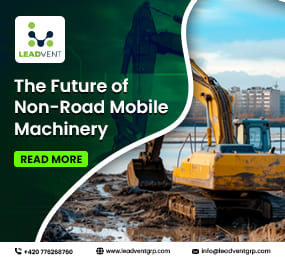
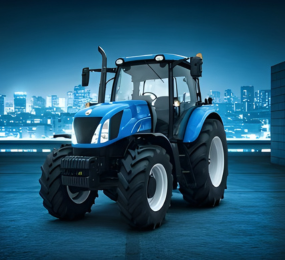
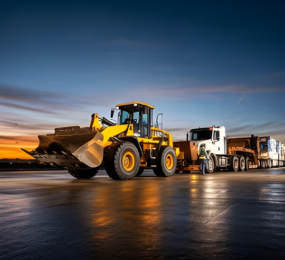
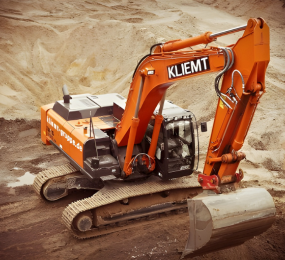
Non-Road Mobile Machinery (NRMM) may not be as visible as passenger cars or trucks on highways, but its role is just as critical. From excavators on construction sites to tractors in agriculture and heavy machinery in mining, NRMM forms the backbone of sectors that drive economic growth. Yet, this essential machinery also represents a significant share of emissions, making its decarbonization a priority in the global push toward sustainability.
Understanding NRMM’s Impact
Unlike road vehicles, NRMM includes a wide variety of equipment designed for specialized tasks. These machines often run on diesel, generating carbon emissions, nitrogen oxides, and particulate matter. Given their heavy use in construction, agriculture, and industrial operations, NRMM has become a focal point for regulators and policymakers aiming to cut emissions and improve air quality.
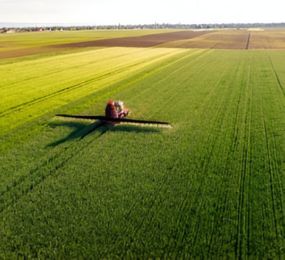
In cities, for example, construction machinery is a major contributor to urban air pollution. Similarly, in agriculture, tractors and harvesters add to greenhouse gas emissions, affecting both the environment and public health. Addressing these impacts is essential not only for climate goals but also for the well-being of communities.
The Transition to Cleaner Technologies
The journey to decarbonize NRMM is underway, driven by innovation and regulation. Cleaner fuels, hybrid technologies, and fully electric machinery are gradually entering the market. Manufacturers are rethinking engine designs to meet stricter emission standards while ensuring machines remain powerful and reliable for demanding tasks.
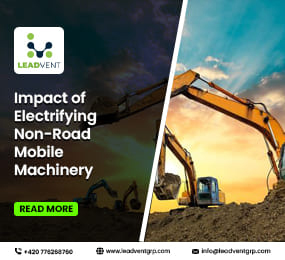
Battery-powered excavators, electric forklifts, and hydrogen-fueled machinery are examples of how innovation is reshaping this sector. Though challenges remain such as battery limitations, charging infrastructure, and upfront costs progress is accelerating. Governments and industry stakeholders are also working together to create supportive frameworks that make the transition both feasible and attractive.
Balancing Efficiency and Sustainability
For operators and businesses, the shift to cleaner NRMM is not only about meeting environmental targets; it is also about long-term efficiency. Cleaner engines and electrification can lower fuel costs, reduce maintenance, and improve workplace conditions by cutting noise and vibration. Over time, these benefits help justify the investment and create a pathway to more sustainable operations.
The Road Ahead for NRMM
The transformation of NRMM will not happen overnight. It requires collaboration among policymakers, manufacturers, and operators to align on goals and create practical solutions. The adoption of new technologies must be supported by financial incentives, infrastructure development, and knowledge-sharing across industries.
Still, the direction is clear: NRMM must play its part in the broader decarbonization agenda. As construction, mining, and agriculture continue to expand to meet global demands, ensuring these machines operate sustainably will be key to balancing economic growth with environmental responsibility.
Takeaway Point: Non-Road Mobile Machinery is a vital but often overlooked contributor to emissions. By embracing cleaner technologies and sustainable practices, NRMM can transition from being a hidden source of pollution to a driver of efficiency, innovation, and climate action.
Learn more on our website: https://www.leadventgrp.com/event/2nd-annual-non-road-mobile-machinery-electrification-and-decarbonization-forum/register
For more information and group participation, contact us: [email protected]
Leadvent Group - Industry Leading Events for Business Leaders!
www.leadventgrp.com | [email protected]








Comment
canada pharmaceuticals online
May 14, 2026
whoah this blog is wonderful i like reading your articles. Stay up the good work! You understand, lots of individuals are hunting round for this information, you can help them greatly.