

The Silent Threat: Cybersecurity in Digitally Monitored Submarine Cables
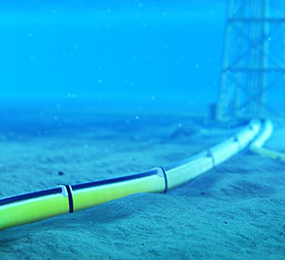
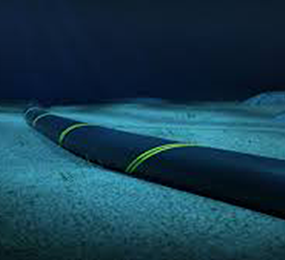
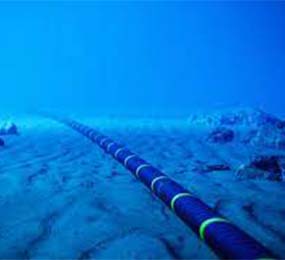
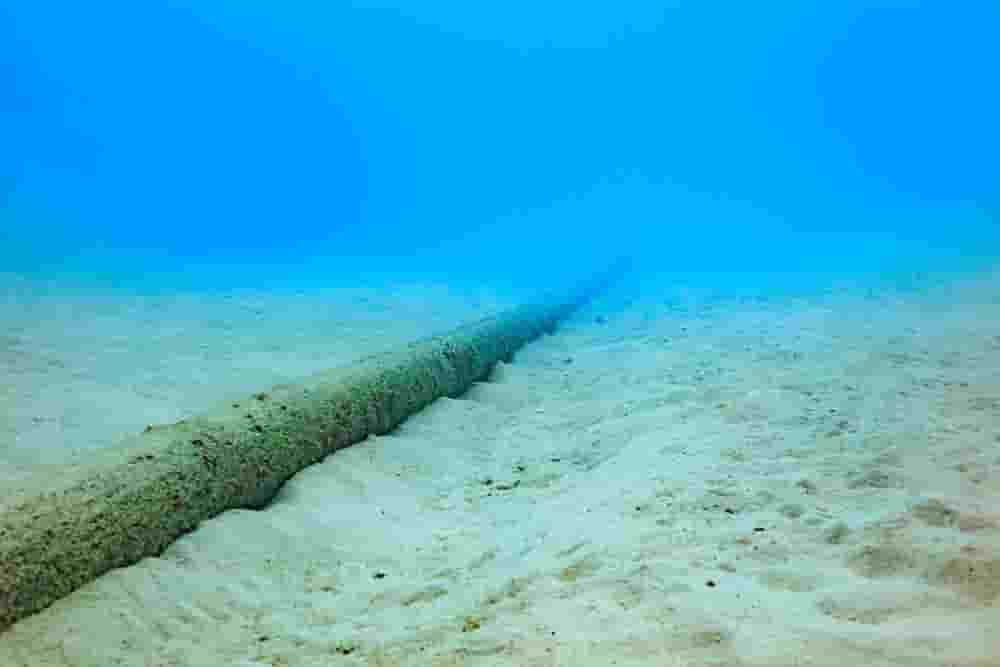
Beneath the ocean’s surface lies the backbone of the global internet: over 1.4 million kilometers of submarine fiber-optic cables. While historically these cables were "dumb" pipes—simple conduits for data—the modern era has introduced digitally monitored systems. These smart cables utilize integrated sensors and Network Management Systems (NMS) to track cable health and seismic activity. However, this shift toward connectivity has opened a new frontier for cybersecurity risks.
The Vulnerability of Management Interfaces
The primary risk lies in the convergence of Information Technology (IT) and Operational Technology (OT). Traditionally, cable landing stations were isolated. Today, they are often remotely managed via web-based interfaces. If an attacker gains access to the NMS, they could potentially intercept data streams, redirect traffic, or even "black out" entire regions by deactivating repeaters.
Sensing as a Double-Edged Sword
Modern cables use Distributed Acoustic Sensing (DAS), which turns the fiber itself into a giant microphone to detect nearby anchors or sonar. While excellent for maintenance, this sensitivity is a security liability. Sophisticated actors could theoretically use these monitoring signals to "listen" to the environment or analyze the physical vibrations of data transmission, leading to side-channel attacks that compromise encryption.
State-Sponsored Sabotage and Espionage
The strategic importance of these cables makes them prime targets for state-sponsored "gray zone" warfare. Beyond physical cutting, digital infiltration allows for covert data mirroring. By compromising the digital monitoring hardware, an adversary could facilitate mass surveillance without ever physically tampering with the cable, making detection nearly impossible for the end-user.
Securing the Deep
To mitigate these risks, the industry must move toward Zero Trust architectures at landing stations and employ hardware-based encryption that is decoupled from the monitoring software. As we become more dependent on the subsea "nervous system," securing the digital eyes watching over it is no longer optional—it is a matter of national and global security.







Comment