

The Green Revolution: Innovations in Sustainable Packaging
The global packaging industry is undergoing a seismic shift. As consumers and regulators demand alternatives to traditional plastics, a new generation of compostable and biodegradable materials is emerging. These innovations aren't just "less bad" for the planet; they are designed to integrate seamlessly into Earth's natural cycles.
Beyond PLA: The Rise of Bio-Polymers
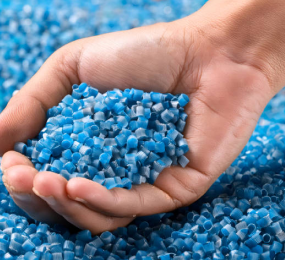
For years, Polylactic Acid (PLA), derived from corn starch, was the gold standard for bio-plastics. However, recent breakthroughs have introduced PHA (Polyhydroxyalkanoates). Produced by fermenting microbes, PHA is uniquely impressive because it is marine-degradable. Unlike earlier bioplastics that required industrial composting facilities to break down, PHA can decompose in soil or ocean water, tackling the critical issue of plastic pollution in our waterways.
Fungi and Seaweed: Nature’s Blueprints
Some of the most radical innovations bypass traditional chemical structures entirely:
- Mycelium Packaging: Utilizing the root structure of mushrooms, companies are "growing" packaging. Mycelium consumes agricultural waste (like hemp or corn husks) in a mold, creating a durable, fire-resistant alternative to Styrofoam that composts in a garden within weeks.
- Seaweed Extracts: Seaweed is a miracle crop for packaging. It grows rapidly without fresh water or fertilizer and can be processed into thin, edible films. These are currently being used for "sachets" for liquids and coatings for paper takeaway containers, replacing the thin plastic linings that previously made paper unrecyclable.
The "Functional" Frontier
The biggest challenge has always been performance—keeping food fresh and moisture out. New nanocellulose coatings are now providing oxygen barriers that rival traditional plastic, ensuring that "eco-friendly" no longer means "shorter shelf life."
As these materials scale, the goal is a circular economy where packaging is no longer a waste product, but a nutrient for the next generation of growth.




Comment