

The Future of Subsea Cable Reliability: Trends and Forecasts
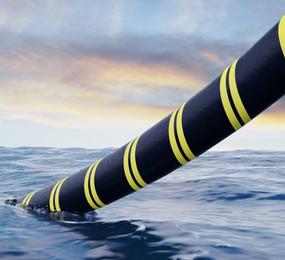
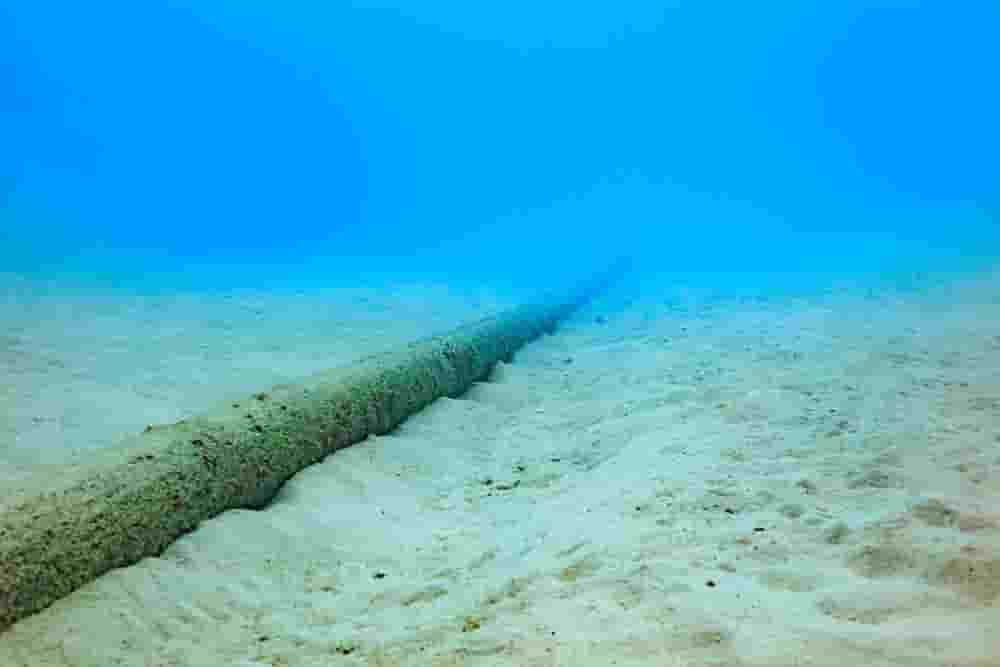
Subsea cables are the silent vitals of our globalized world, carrying over 99% of intercontinental data and a growing share of offshore renewable energy. As these networks expand into harsher environments and deeper waters, the focus has shifted from mere deployment to long-term reliability. The future of subsea cable integrity is being shaped by a transition from reactive repair to proactive, data-driven resilience.
Emerging Trends in Monitoring
The most significant trend in reliability is the integration of Distributed Fiber Optic Sensing (DFOS). By utilizing the optical fiber itself as a continuous sensor, operators can detect acoustic vibrations, temperature shifts, and mechanical strain in real-time. This technology allows for the immediate identification of external threats, such as anchor drags or fishing gear entanglement, often providing enough warning to alert nearby vessels before a strike occurs.
Furthermore, the industry is moving toward SMART (Scientific Monitoring And Reliable Telecommunications) cables. These systems integrate environmental sensors into repeaters to monitor seismic activity and ocean temperatures. While primarily for scientific study, the data gathered provides critical insights into the physical stresses placed on cables by underwater landslides and turbidity currents, allowing for more robust route planning in the future.
Forecasts for 2030 and Beyond
Looking ahead, the reliability landscape will be defined by two major shifts:
Autonomous Maintenance: Forecasts suggest that by 2030, Resident Remotely Operated Vehicles (RROVs) will be permanently stationed at subsea hubs. These autonomous units will conduct routine inspections and minor cable burials without the need for expensive surface support vessels, drastically reducing the "Mean Time to Repair" (MTTR).
AI-Driven Predictive Risk Modeling: Machine learning models will increasingly digest historical fault data, AIS vessel tracking, and seabed morphology to generate "risk heatmaps." This will enable operators to preemptively reinforce high-risk segments before failures manifest.
The future of subsea cable reliability lies in the fusion of physical robustness and digital intelligence. As we bridge the digital divide, the ability to predict and prevent disruptions will be the benchmark of a truly resilient global infrastructure.
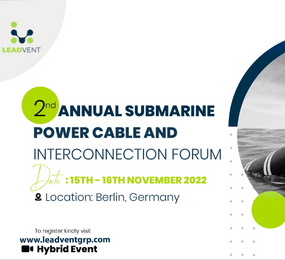
Visit our website to know more: https://www.leadventgrp.com/events/6th-annual-subsea-cable-installation-asset-management-reliability-forum/details
For more information and group participation, contact us: [email protected]
Leadvent Group - Industry Leading Events for Business Leaders!
www.leadventgrp.com| [email protected]




Comment