

The Future of High-Voltage Direct Current (HVDC) Subsea Cables
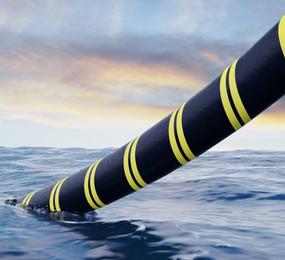
High-Voltage Direct Current (HVDC) subsea cables are the essential technological backbone enabling the global energy transition, primarily by facilitating the efficient, low-loss transmission of bulk power across long distances and international borders. The future of this technology is defined by innovations that enhance flexibility, increase power capacity, and enable the creation of a truly interconnected, global energy grid. HVDC's core advantage—its negligible energy loss over thousands of kilometers—makes it indispensable for tapping into remote, high-potential renewable energy sources.
The first major trend is the widespread adoption of Voltage Source Converter (VSC) technology. Unlike older line-commutated converters, VSC allows for much faster and independent control of active and reactive power. This capability is crucial for connecting large-scale, often intermittent, offshore wind farms directly to weaker, onshore AC grids. Crucially, VSC technology is the enabler of Multi-Terminal HVDC (MTDC) grids, which allow power to be efficiently routed between three or more separate landing points, transforming simple point-to-point connections into robust, transnational power highways.
Secondly, the physical and electrical design of the cables themselves is evolving. Innovations in extruded polymeric insulation are allowing cable manufacturers to increase the operating voltage and power density while maintaining or even reducing the physical diameter. This reduction in size and weight simplifies installation logistics, reduces costs, and lowers the environmental impact on the seabed. This increased capacity is vital for the development of "super-grids," which will link continental grids across oceans to stabilize supply and share reserve capacity.
Finally, there is an increased focus on resilience and digitalization. Future HVDC cables will integrate sophisticated fiber optic sensing for real-time monitoring of temperature, strain, and depth. This integration allows for precise fault location and predictive maintenance, minimizing critical downtime. By enhancing capacity, flexibility through VSC, and operational intelligence, HVDC subsea cables are securing their role as the arteries of the global, decarbonized energy network.
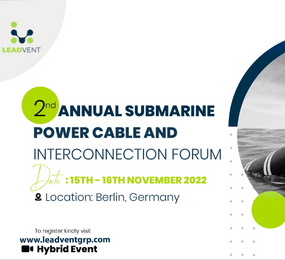
Visit our website to know more: https://www.leadventgrp.com/events/6th-annual-subsea-cable-installation-asset-management-reliability-forum/details
For more information and group participation, contact us: [email protected]
Leadvent Group - Industry Leading Events for Business Leaders!






Comment