

Future Trends Shaping the Digital Power Grid Landscape
The traditional, centralized power grid is rapidly transforming into a dynamic, two-way digital ecosystem—the modern smart grid. This evolution is driven by the urgent need for decarbonization, resilience against climate change, and the proliferation of distributed energy sources. Three interconnected trends are fundamentally reshaping this landscape, moving the grid from a passive delivery system to an intelligent, self-healing network.
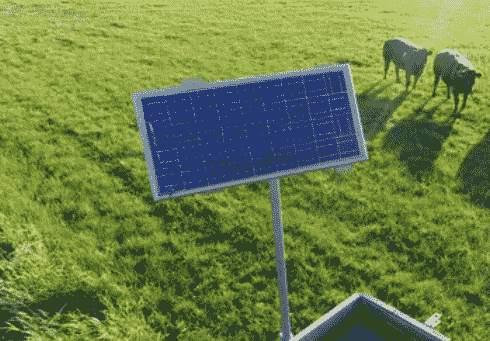
The first major trend is the accelerated decentralization and integration of Distributed Energy Resources (DERs). The future grid must seamlessly manage massive volumes of intermittent power from rooftop solar, local battery storage, and electric vehicles (EVs) acting as mobile energy assets (V2G). This requires sophisticated substation automation and advanced control systems that can communicate and manage power flow bi-directionally, ensuring stability across diverse microgrids and balancing local supply with national demand.
Secondly, Artificial Intelligence (AI) and Machine Learning (ML) are moving from pilots to core operational technology. AI will be used for ultra-precise predictive maintenance, analyzing sensor data from transformers and lines to forecast failures weeks in advance. Crucially, ML algorithms will enable highly accurate load forecasting and dynamic circuit rating, allowing utilities to safely push the grid to its maximum capacity in real-time. This level of automation maximizes asset utilization while minimizing operational costs and preventing outages.
Finally, the digitization of the grid dramatically expands the attack surface, making cybersecurity a paramount concern. Future grids will adopt Zero Trust Architecture (ZTA) and micro-segmentation, treating every connected device—from a smart meter to a remote terminal unit—as a potential threat. This layered defense is essential to prevent sophisticated Advanced Persistent Threats (APTs) from moving laterally across the network and compromising critical Operational Technology (OT) that manages physical power flow.
In conclusion, the digital power grid is evolving into a complex system defined by intelligence and flexibility. By embracing decentralization, adopting AI for predictive control, and building security into the grid's foundation with ZTA, these trends ensure a resilient, high-performance, and sustainable energy future.
Visit our website to know more: https://www.leadventgrp.com/events/2nd-annual-power-grid-digitalization-and-automation-forum/details
For more information and group participation, contact us: [email protected]
Leadvent Group - Industry Leading Events for Business Leaders!





Comment