

The Future of High-Capacity Submarine Power Transmission
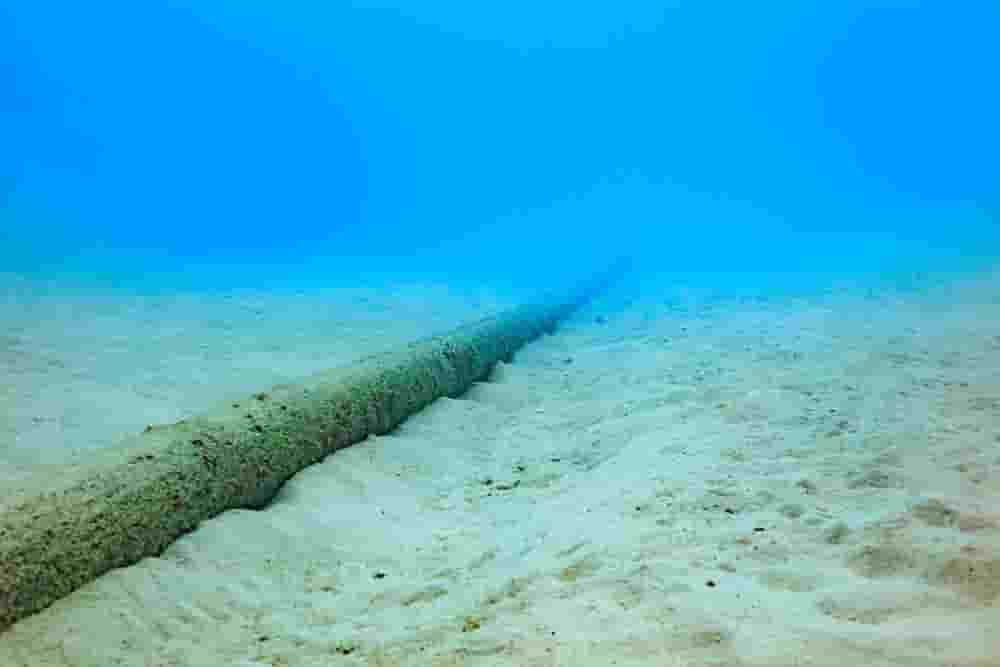
The global energy landscape is undergoing a radical shift. As nations race toward decarbonization, the ability to transport vast amounts of electricity across oceans has moved from a technical niche to a strategic necessity. High-capacity submarine power transmission is the "blue artery" of the energy transition, enabling the integration of remote offshore wind farms and the interconnection of entire continents.
The Shift to HVDC Technology
The backbone of this evolution is High-Voltage Direct Current (HVDC) technology. Unlike traditional Alternating Current (AC), which suffers from significant energy losses over long distances due to capacitance, HVDC allows electricity to flow efficiently across thousands of kilometers of seabed. Recent advancements in Voltage Sourced Converters (VSC) have made these systems more flexible, allowing for "multi-terminal" grids where power can be routed between several different landing points rather than just point-to-point.
Innovations in Cable Engineering
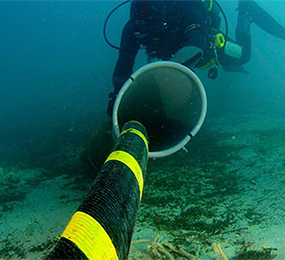
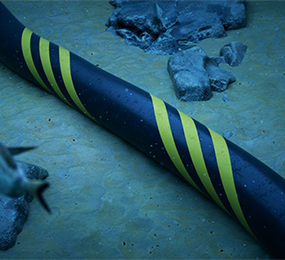
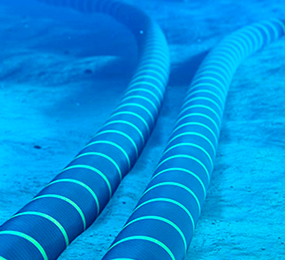
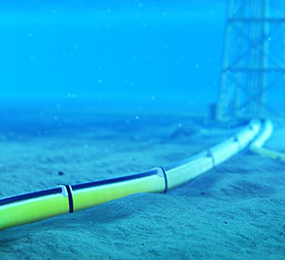
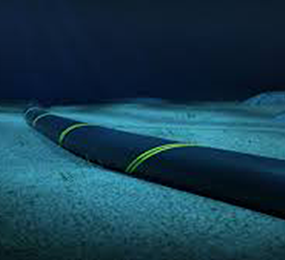
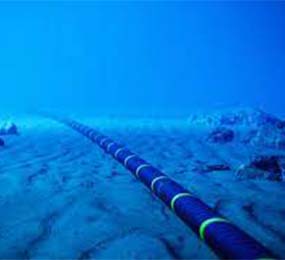
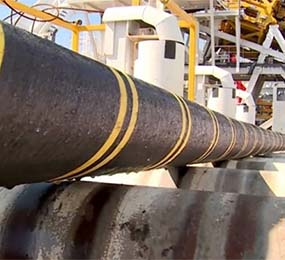
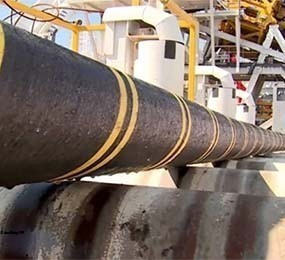
To meet the demand for higher capacity, cable architecture is being reimagined. We are seeing a move toward higher voltage ratings—surpassing 525 kV—and the use of Cross-Linked Polyethylene (XLPE) insulation, which offers superior thermal performance and environmental safety compared to older oil-filled designs. Furthermore, the development of "dynamic cables" is unlocking the potential of floating offshore wind, allowing cables to withstand the constant movement of the ocean surface.
Strengthening Grid Resilience
The future also focuses on security and intelligence. Modern subsea links are increasingly equipped with Distributed Fiber Optic Sensing (DFOS). These "smart cables" can detect real-time changes in temperature, strain, or acoustic signatures, allowing operators to identify potential faults or external threats (such as anchor drags) before a failure occurs.
As we look toward 2030 and beyond, these subsea super-grids will be essential for balancing intermittent renewables. By linking different geographic regions, submarine transmission ensures that when the wind isn't blowing in the North Sea, solar power from North Africa or hydro-power from Scandinavia can fill the gap, creating a truly global, resilient energy web.
Visit our website to know more: https://www.leadventgrp.com/events/6th-annual-submarine-power-cable-and-interconnection-forum/details
For more information and group participation, contact us: [email protected]
Leadvent Group - Industry Leading Events for Business Leaders!
www.leadventgrp.com| [email protected]



Comment