The Economics of Biogas Plants: Costs, Returns, and Future Outlook
The transition toward a circular economy has placed biogas plants at the forefront of renewable energy discussions. Unlike intermittent solar or wind, biogas provides reliable baseload power while addressing organic waste management. However, the economic viability of these plants is a complex interplay of high initial capital requirements, diverse revenue streams, and shifting regulatory landscapes.
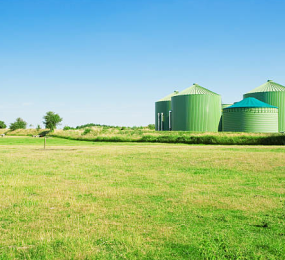
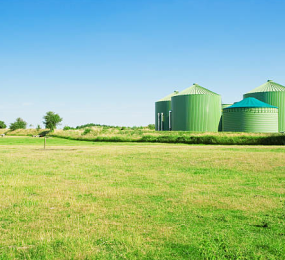
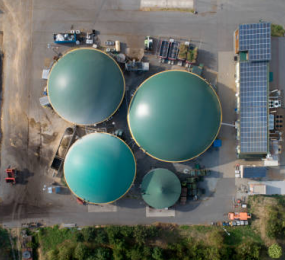
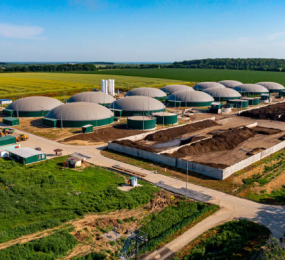
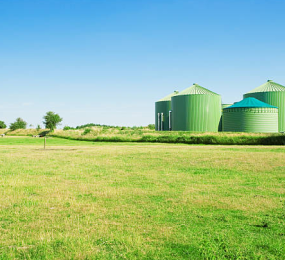
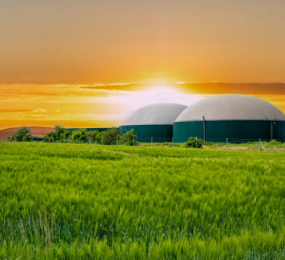
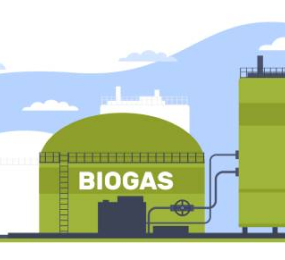
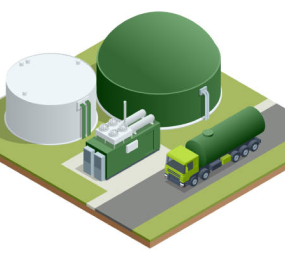
The primary hurdle for biogas deployment is the high upfront cost. A standard anaerobic digestion facility requires significant investment in specialized equipment, including digesters, gas storage tanks, and combined heat and power (CHP) units. For larger-scale operations, additional costs arise from gas upgrading systems to produce biomethane (Renewable Natural Gas). Operational expenses are also non-trivial, involving feedstock procurement, logistics, and technical maintenance. To achieve a positive Return on Investment (ROI), plants must secure consistent, high-quality organic waste streams, such as agricultural residues, food waste, or animal manure.
The financial returns of a biogas plant are increasingly multi-dimensional. Traditionally, revenue was generated solely through electricity sales via feed-in tariffs. Today, the "returns" are more diverse. Selling refined biomethane into the existing natural gas grid or using it as a heavy-vehicle fuel often yields higher margins than electricity. Furthermore, the byproduct of the digestion process—digestate—can be sold as a nutrient-rich bio-fertilizer, reducing the need for chemical alternatives. Many jurisdictions also allow operators to trade carbon credits, adding a premium to every megawatt-hour produced.
The future outlook is cautiously optimistic. As carbon taxes rise and ESG mandates tighten, the "avoided cost" of waste disposal (tipping fees) will become a major economic driver. While the sector currently relies on subsidies in many regions, technological advancements in pre-treatment and modular plant design are steadily driving down costs. As the world seeks to decarbonize heating and heavy industry, biogas stands as a high-value asset in the global energy portfolio.
Visit our website to know more: https://www.leadventgrp.com/events/2nd-annual-biogas-biomethane-world-summit/details
For more information and group participation, contact us: [email protected]
Leadvent Group - Industry Leading Events for Business Leaders!
www.leadventgrp.com| [email protected]


The Economics of Biogas Plants: Costs, Returns, and Future Outlook
23rd Jan, 2026








Comment
Victor
March 24, 2026
Biogas