

The Economics of Wind Turbine Blade Recycling
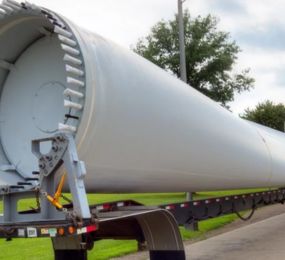
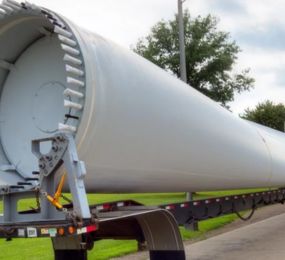
The wind energy sector is expanding rapidly, but a significant issue is arising: how to deal with wind turbines at the end of their lifecycle? From 2025-2040, it is anticipated by the industry that yearly in the US, approximately 10,000 to 20,000 blades will be out of service. This situation has pushed the wind turbine blade recycling field into the spotlight, opening doors to job opportunities and offering major savings.
Market Growth: A Huge Industry Is Taking Shape
The global wind blade recycling sector is experiencing rapid growth. It went up from approximately $68 million in 2024 to a predicted $1.1 billion by 2033. This increase indicates the emergence of a new segment of the circular economy. Key reasons behind this include:
- Europe's decision to ban wind turbine blades in landfills by 2025
- The U.S. has facilities ready to handle 90% of old wind turbine materials
- A rising need for reused materials in construction and manufacturing
The sector is going from being just an idea to an important piece of renewable energy. Companies are now treating old turbine parts not as waste but as useful resources.
Jobs On The Rise: Training Workers for Recycling
Recycling wind blades creates a range of jobs that require different levels of skill across various locations:
Direct Jobs:
- Technicians with expertise in working with composite materials
- Engineers who create new recycling methods
- Professionals who handle the transportation of blades
- Operators managing recycling plants that use mechanical, thermal, or chemical methods
Indirect Jobs: The renewable energy industry already provides work for about 120,000 people in the United States. Wind energy jobs also hire veterans at rates 80% above the national average. As more recycling facilities for wind blades are built, the number of jobs will grow, forming employment hubs around these plants.
Industries using recycled materials in manufacturing enjoy job growth. When cement production uses reclaimed glass fibers or automotive parts, which gain new uses from carbon fibers, entire supply chains get a boost, leading to job creation in various fields.
Cost Advantages: Making Recycling Affordable and Practical
The financial argument for recycling wind turbine blades includes major cost savings that make it a better choice than regular disposal:
Economic Value of Recovered Materials:
- Manufacturers find glass and carbon fibers to be cheaper substitutes for new materials
- The cement sector uses processed blade components at lower prices compared to standard raw ones
- Recycling systems built on reusability prove to be both eco-friendly and cost-efficient
Operational Efficiency: Large-scale mechanical recycling has become cheaper and more efficient. Some companies now handle at least 10,000 tons of material each year showing this method works well . Conversely, chemical recycling produces materials of higher quality, which could be sold at a higher rate within niche markets.
Government Support: Governments increase the economic advantages by providing financial backing. The U.S. Department of Energy put over $20 million toward improving recycling technology . Spain gave $5.7 million to the Waste2Fiber center, and the EU invested €12.3 million in its BLADES2BUILD project. These actions help make it easier for companies to start up.
Regional Economic Impact: Building Stronger Communities
Developing recycling systems brings big economic advantages to local areas.
- Jobs in construction and growth in local supply chains
- Income from property taxes and increased use of utilities
- Extra economic boosts as employees spend within local areas
- New economic chances in rural places, managing old wind farms
Placing facilities in the right spots considers transport needs, available workers, and market access. This helps ensure towns that support renewable energy can now gain from the circular economy.
Circular Economy: Turning Waste into Value
Switching from linear methods to circular systems changes how the wind energy business works. Using blade materials again instead of throwing them away helps the industry:
- Cut raw material expenses in different industries
- Generate money from things once thrown out
- Use recycled fibers to build cheaper concrete and insulation
- Improve car manufacturing with reused carbon fiber parts
As technology gets better, processing costs drop, and recovering materials becomes more efficient. This creates a positive loop of economic growth and helps the environment.
Future Outlook: Industry Expansion and Investments
Money keeps pouring into the industry. Big players in waste management, wind turbine production, and material sciences see how vital it is to improve recycling for wind turbine blades. This flow of funds speeds up building facilities, training workers, and improving technology.
With stricter rules new tech, and economic potential coming together, wind blade recycling is becoming a key part of renewable energy's future. As the industry grows to manage a massive number of blades every year, it will create more jobs, save money, and add financial value.
The recycling of wind turbine blades is a clear demonstration that environmental concerns and economic advantages can come together perfectly. The players in the renewable energy industry should not only regard these economic benefits as good business practice but also as an essential aspect of being prepared for the transition to cleaner energy.
Frequently Asked Questions (FAQs)
1. How many jobs does wind blade recycling generate?
The wind blade recycling sector creates employment in sectors such as processing plants, transportation, research, and new production. The types of work in the industry will expand as the plants are developed to handle the anticipated higher volumes—covering jobs for technicians, engineers, and even managers.
2. Is recycling wind blades cost-effective when compared to dumping them in landfills?
Yes, recycling now either equals or is even cheaper than sending waste to landfills because of strict regulations and advanced technologies. Big plants are proving that recycling is worthwhile from a financial perspective through the sale of materials, reduction of disposal costs, and government incentives.
3. What kinds of materials come from recycling wind turbine blades?
Recycling wind turbine blades extracts materials like glass fiber, carbon fiber, and different types of resins. These materials are used to make cement building supplies, vehicle parts, aerospace items, and even new wind turbines.
4. How do government policies help make wind blade recycling affordable?
Governments help by offering funds, setting up rules that prioritize recycling over landfills, and pushing for circular economy programs. Big investments from the U.S. and European governments and bans on using landfills encourage recycling efforts.



Comment