

Techno-Economic Analysis of Advanced Biofuel Production Pathways
Techno-economic analysis (TEA) is a crucial tool for evaluating the commercial viability and identifying cost bottlenecks in advanced biofuel production pathways. By integrating process design and simulation with detailed economic modeling, TEA provides a comprehensive assessment of capital expenditures (CAPEX), operational expenditures (OPEX), and overall production costs, guiding research and development efforts towards scalable and competitive solutions.
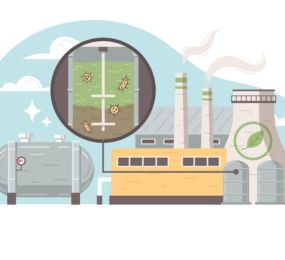
Advanced biofuels, derived from non-food feedstocks like agricultural residues, forestry waste, and algae, offer significant environmental benefits but often face higher production costs compared to conventional fossil fuels. A typical TEA involves modeling the entire conversion process, from feedstock pretreatment and handling to biochemical or thermochemical conversion (e.g., gasification, pyrolysis, fermentation), and subsequent upgrading to final fuel products. Software like Aspen Plus is commonly used to simulate mass and energy balances, which are then fed into financial models to estimate costs and determine key economic metrics such as the minimum fuel selling price (MFSP) or internal rate of return (IRR).
Key cost drivers identified through TEA often include feedstock cost and availability, which can fluctuate significantly, and the high capital investment required for biorefineries, especially for first-of-a-kind plants. The complexity and energy intensity of biomass conversion technologies also contribute to high operating costs. For instance, processes requiring extensive pretreatment or specialized catalysts can elevate expenses.
However, TEA also highlights opportunities for cost reduction. Sensitivity analyses consistently show that factors like increased fuel yield, improved conversion efficiency, and reduced capital costs through technological maturation and economies of scale can significantly lower the MFSP. Policy support, such as blending mandates and financial incentives, plays a vital role in de-risking investments and improving economic competitiveness. By continuously refining process designs and leveraging advancements in biotechnology and engineering, TEA helps to pave the way for the commercialization of advanced biofuels, ensuring their sustainable and economically viable integration into the future energy mix.
Visit our website to know more: https://www.leadventgrp.com/events/3rd-annual-advanced-biofuels-forum/details
For more information and group participation, contact us: [email protected]
Leadvent Group - Industry Leading Events for Business Leaders!









Comment