

Cable Connection Strategies for Offshore and Floating Substations
The efficient and reliable transmission of power from offshore wind farms to onshore grids hinges significantly on the cable connection strategies employed for offshore and floating substations. As wind energy projects move into deeper waters and more dynamic environments, the methods for connecting turbines to substations, and substations to shore, become increasingly complex, demanding innovative engineering solutions to ensure grid stability and minimize energy losses.
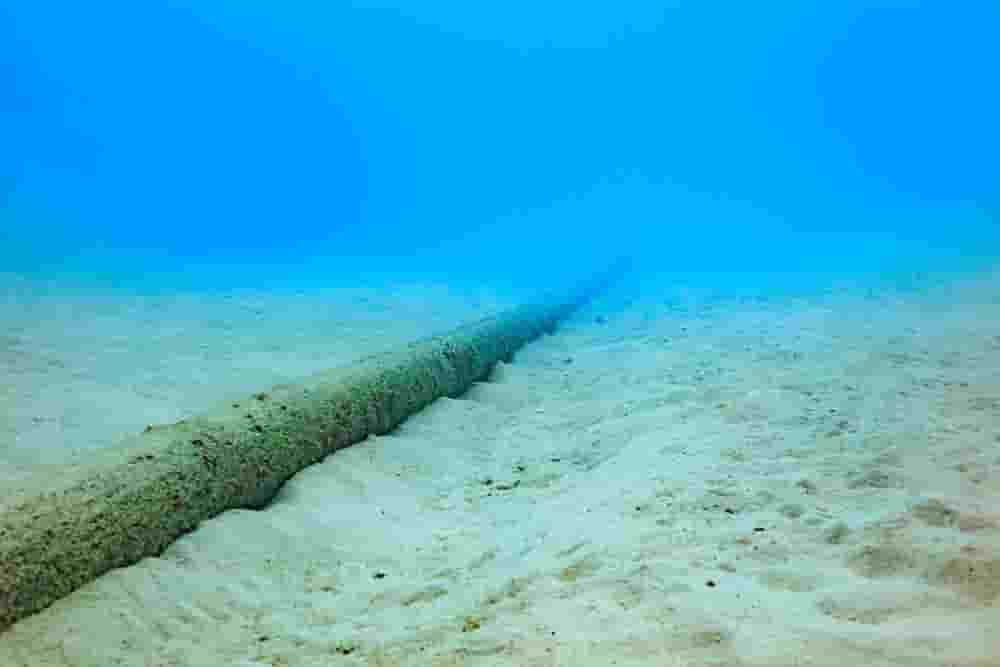
For fixed offshore substations, typically in shallower waters, the primary connection strategy involves High Voltage Alternating Current (HVAC) inter-array cables linking individual wind turbines to the substation. From the substation, one or more HVAC or High Voltage Direct Current (HVDC) export cables transmit the aggregated power to the onshore grid. HVAC is generally preferred for shorter distances due to its lower cost and simpler technology, while HVDC becomes more economically viable and technically superior for longer distances due to reduced transmission losses and better grid integration capabilities. The challenges here include managing cable burial for protection against external damage and ensuring robust cable protection systems at the substation entry points.
Floating substations, designed for deepwater wind farms, introduce additional complexities due to their dynamic movement. The connection strategy for floating turbines to the substation often involves dynamic cables that can withstand continuous motion, bending, and tension. These cables require specialized designs and materials to ensure durability and prevent fatigue failure. For power export from floating substations to shore, a combination of dynamic cables (from the floating platform to a static seabed connection) and static subsea export cables (HVAC or HVDC) is typically used. The interface between the dynamic and static sections, often involving subsea connectors or mid-water arches, is a critical engineering challenge.
Key considerations across both types of substations include optimizing cable routes to avoid sensitive marine habitats, minimizing electromagnetic interference, and ensuring redundancy for reliability. As offshore wind technology advances, so too will cable connection strategies, with a growing emphasis on hybrid cables combining power and data, and integrated offshore grid solutions to enhance efficiency and resilience of the entire system.
Visit our website to know more: https://www.leadventgrp.com/events/2nd-annual-offshore-and-floating-substations-forum/details
For more information and group participation, contact us: [email protected]
Leadvent Group - Industry Leading Events for Business Leaders!




Comment