

Solar PV Systems: Transforming Sunlight into Sustainable Power
Across the world, the demand for reliable and sustainable energy continues to grow. Among the many renewable solutions available today, solar photovoltaic (PV) systems have become one of the most widely adopted technologies for generating clean electricity. By converting sunlight directly into power, solar PV systems provide an efficient and environmentally responsible alternative to conventional energy sources.
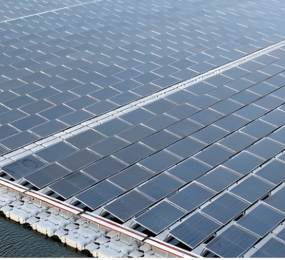
A solar PV system works by using photovoltaic panels made up of solar cells that capture sunlight and convert it into electrical energy. When sunlight hits the cells, it generates a flow of electricity that can be used immediately or stored for later use. This simple yet effective process allows solar PV systems to power homes, businesses, and industrial operations without producing harmful emissions.
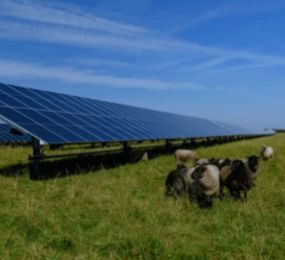
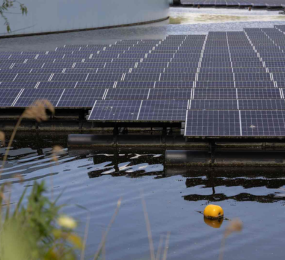
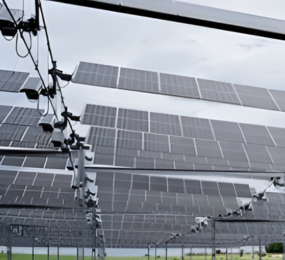
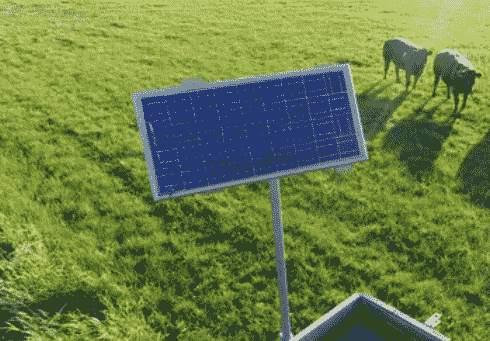
One of the major advantages of solar PV technology is its versatility. Systems can be installed on residential rooftops, commercial buildings, industrial facilities, and even large-scale solar farms. In rural and remote areas where access to traditional power infrastructure is limited, solar PV systems can also provide a reliable and independent energy solution.
Over the past decade, the cost of solar technology has fallen significantly while efficiency has steadily improved. Modern solar panels are capable of generating more electricity from the same amount of sunlight than earlier models. This progress has made solar PV systems increasingly attractive to businesses and households seeking to reduce energy costs and improve energy security.
In addition to cost savings, solar PV systems contribute directly to environmental sustainability. Electricity generated from solar energy produces no greenhouse gas emissions during operation, helping to reduce the overall carbon footprint of energy consumption. As governments and organizations commit to climate goals, solar power has become a key component of strategies aimed at achieving long-term sustainability targets.
Another important benefit of solar PV systems is their scalability. A system can begin with a small number of panels and expand as energy needs grow. This flexibility allows property owners and businesses to gradually increase their renewable energy capacity without the need for large upfront infrastructure changes.
Energy storage is also becoming an important part of modern solar systems. Batteries can store excess electricity produced during the day for use at night or during periods
of high demand. This capability improves energy reliability and helps balance supply and demand within local power systems.
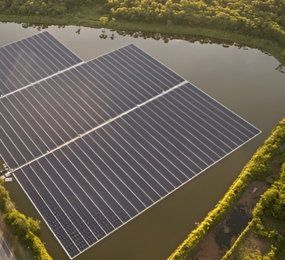
Beyond individual users, solar PV systems are playing a larger role in national energy strategies. Utility-scale solar farms are being developed to supply clean electricity to entire regions, while distributed solar installations contribute to more resilient and decentralized power grids.
As innovation continues to drive efficiency improvements and cost reductions, solar PV systems are expected to remain a central pillar of the global renewable energy transition. Their ability to provide clean, scalable, and reliable electricity makes them a practical solution for meeting the world’s growing energy needs while protecting the environment.
Takeaway Point: Solar PV systems offer a dependable and sustainable way to generate electricity, helping individuals, businesses, and governments reduce energy costs, lower carbon emissions, and move toward a cleaner energy future. Learn more on our website: https://www.leadventgrp.com/event/6th-annual-floating-solar-pv-forum/register
For more information and group participation, contact us: [email protected]
Leadvent Group - Industry Leading Events for Business Leaders!
www.leadventgrp.com | [email protected]





Comment