

Solar PV: Powering a Practical and Sustainable Energy Future
Solar photovoltaic (PV) technology has moved from the margins of the energy system to its center. Once viewed as a niche solution, solar PV is now a mainstream source of electricity, supporting homes, businesses, and utilities around the world. Its growth reflects not only technological progress but also a broader shift in how societies think about energy, resilience, and sustainability.
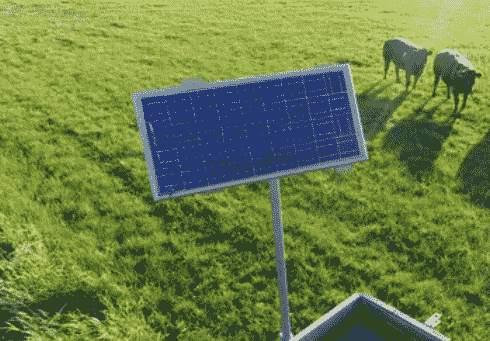
At its core, solar PV is straightforward. Panels convert sunlight directly into electricity, producing power without fuel combustion, noise, or emissions. This simplicity is part of its appeal. Solar systems can be deployed at many scales, from small rooftop installations to large utility-scale plants, making the technology adaptable to a wide range of energy needs and geographic conditions.
One of the strongest advantages of solar PV is accessibility. Unlike many energy technologies, solar does not require complex supply chains or centralized infrastructure to deliver value. Rooftop systems allow households and businesses to generate their own electricity, reduce energy costs, and gain greater control over consumption. In regions with limited grid access, solar PV has become a reliable solution for electrification, supporting economic activity and improving quality of life.
Cost reduction has played a decisive role in solar’s expansion. Over the past decade, improvements in manufacturing, materials, and installation practices have driven costs down significantly. Solar PV is now among the most competitive sources of new electricity generation in many markets. This affordability has shifted conversations from whether solar makes sense to how quickly it can be deployed and integrated into existing systems.
Integration, however, brings new challenges. Solar power is variable, producing electricity only when the sun is available. Grid operators must balance supply and demand by combining solar with energy storage, flexible generation, and smart grid technologies. These solutions are increasingly effective, allowing solar PV to contribute reliably to modern energy systems without compromising stability.
Environmental considerations extend beyond emissions. Responsible solar development includes thoughtful site selection, sustainable manufacturing practices, and end-of-life management for panels. Recycling and circular economy initiatives are gaining momentum, ensuring that solar PV remains aligned with long-term environmental goals throughout its lifecycle.
Solar PV also supports energy security. By relying on an abundant and locally available resource, countries can reduce dependence on imported fuels and exposure
to price volatility. This aspect has become especially important as energy systems face increasing uncertainty and geopolitical risk.
Looking ahead, innovation continues to strengthen solar PV’s role. Advances in panel efficiency, digital monitoring, and hybrid systems are improving performance and reliability. At the same time, policy frameworks and market design are evolving to support large-scale deployment while encouraging responsible growth.
Solar PV is no longer just a clean energy option; it is a practical foundation for modern energy systems. Its flexibility, affordability, and environmental benefits position it as a long-term contributor to a more resilient and sustainable energy future.
Takeaway Point
Solar PV combines simplicity, affordability, and adaptability, making it one of the most practical and scalable solutions for building a sustainable and resilient energy system.
Learn more on our website: https://www.leadventgrp.com/event/6th-annual-floating-solar-pv-forum/register
For more information and group participation, contact us: [email protected]
Leadvent Group - Industry Leading Events for Business Leaders!
www.leadventgrp.com | [email protected]







Comment