

Solar PV: Building Reliable and Accessible Clean Energy Systems
Solar photovoltaic (PV) technology has become one of the most visible symbols of the global energy transition. From rooftops in cities to large solar parks in open landscapes, solar panels are now a familiar part of daily life. Behind this visibility lies a practical and steadily evolving technology that is changing how electricity is produced and consumed.
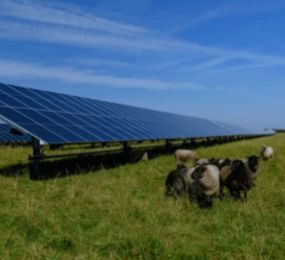
At its simplest, solar PV converts sunlight directly into electricity. Panels made of semiconductor materials generate power without fuel combustion, noise, or emissions. This straightforward process has proven to be remarkably adaptable. Solar PV systems can be installed on homes, commercial buildings, industrial sites, and utility-scale projects, making the technology suitable for a wide range of energy needs.
One of the strongest drivers of solar PV adoption is affordability. Over the past decade, costs have fallen dramatically due to improvements in manufacturing, supply chains, and installation practices. In many regions, solar PV is now among the most cost-effective sources of new electricity. This shift has changed how energy projects are evaluated, with solar increasingly seen as a sound financial investment as well as an environmental choice.
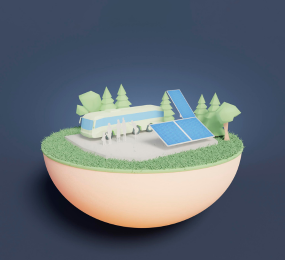
Solar PV also plays an important role in energy access. In areas with limited or unreliable grid infrastructure, decentralized solar systems provide a dependable source of power. These systems support essential services such as healthcare, education, and small businesses, contributing directly to social and economic development. For many communities, solar PV represents not just clean energy, but opportunity.
Integration into existing energy systems is a key focus as solar capacity grows. Because solar generation depends on sunlight, effective grid management is essential. Advances in energy storage, digital monitoring, and smart inverters are helping balance supply and demand, improving reliability and flexibility. These solutions allow solar PV to work alongside other energy sources rather than compete with them.
Environmental responsibility extends beyond emissions. Responsible solar deployment considers land use, supply chain practices, and end-of-life management of panels. Recycling programs and circular economy initiatives are gaining momentum, ensuring that materials used in solar PV systems are recovered and reused wherever possible. This lifecycle approach strengthens solar’s sustainability credentials.
Policy and regulation continue to shape the solar PV market. Stable frameworks, transparent permitting processes, and supportive grid policies help attract investment and accelerate deployment. At the same time, industry standards and certification schemes ensure quality, safety, and performance across the value chain.
Innovation remains a defining feature of solar PV. Improvements in panel efficiency, system design, and digital tools are increasing energy output and reducing operational complexity. As technology continues to mature, solar PV is becoming easier to deploy, manage, and scale.
Solar PV is no longer an emerging option; it is a core component of modern energy systems. Its combination of simplicity, flexibility, and declining costs positions it as a long-term contributor to a cleaner and more resilient energy future.
Takeaway Point
Solar PV delivers affordable, scalable, and reliable clean energy, making it a cornerstone of sustainable energy systems and broader economic development.
Learn more on our website: https://www.leadventgrp.com/event/6th-annual-floating-solar-pv-forum/register
For more information and group participation, contact us: [email protected]
Leadvent Group - Industry Leading Events for Business Leaders!
www.leadventgrp.com | [email protected]








Comment