

Resilient Sourcing: Supplier Diversification Strategies to Reduce Risk
In the volatile global market of 2026, the mantra "don’t put all your eggs in one basket" has evolved from a cliché into a critical business survival tactic. As geopolitical tensions, climate-driven logistics delays, and labor shortages become the "new normal," relying on a single source or region for essential components is no longer a cost-saving measure—it is a significant liability.
Mapping the Vulnerability
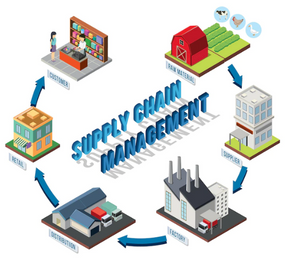
The first step in a robust diversification strategy is multi-tier mapping. Many companies mistakenly believe they are diversified because they use three different vendors, only to discover all three rely on the same sub-tier supplier for raw materials. By using AI-driven visibility tools, procurement teams can identify these "hidden bottlenecks" and ensure true geographic and operational separation.
Strategic Regionalization (Nearshoring)
A key trend this year is the shift toward regional supply hubs. While offshore sourcing often offers lower unit costs, the "total cost of ownership" skyrockets when a single canal blockage or regional conflict halts production. By integrating nearshore suppliers—those closer to the end consumer—businesses gain agility and reduce lead times, creating a vital buffer against global shipping disruptions.
Leveraging Supplier Diversity
Diversification isn't just about geography; it’s about scale and type. Engaging with small and minority-owned businesses often provides greater flexibility than working with "mega-suppliers." These smaller partners are frequently more innovative and responsive, offering a leaner cost structure and alternative supply networks that operate independently of major industrial ecosystems.
The Technology Edge
To manage a broader supplier base without increasing administrative overhead, leading firms are adopting digital procurement platforms. These systems automate vetting, certification tracking, and performance monitoring, allowing teams to pivot between primary and secondary suppliers seamlessly if a disruption is detected.
Visit our website to know more: https://www.leadventgrp.com/events/3rd-annual-supply-chain-risk-and-resilience-forum/details
For more information and group participation, contact us: [email protected]
Leadvent Group - Industry Leading Events for Business Leaders!
www.leadventgrp.com| [email protected]














Comment