

Powering Progress: The Evolving Role of Non-Road Mobile Machinery
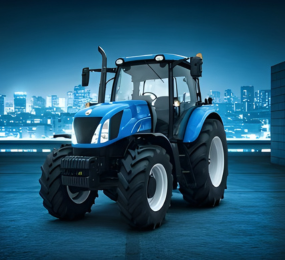
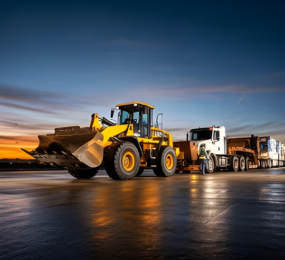
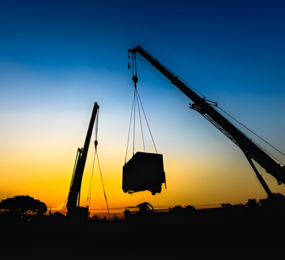
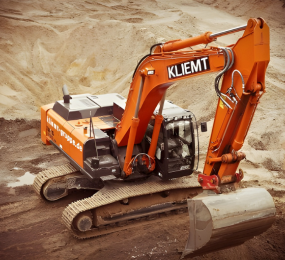
When we think of machinery driving emissions, our minds often leap to road vehicles and industrial plants. Yet, a significant contributor to environmental pollution lies off the highway: Non-Road Mobile Machinery (NRMM). These are the heavy-duty machines that work behind the scenes in construction sites, agricultural fields, mining zones, and ports from excavators and bulldozers to mobile cranes and forestry machines. While they may not be in our daily view, they’re pivotal in infrastructure development and industrial productivity.
But with growing environmental scrutiny and global climate commitments, NRMM is now under pressure to transform.
The Emissions Challenge
NRMM accounts for a considerable share of global diesel consumption and greenhouse gas emissions. Unlike road vehicles, this sector has traditionally been slower to adopt emission-reducing technologies. However, the tide is turning. Governments and industry bodies are enforcing tighter emissions standards, including the European Union’s Stage V regulations, pushing manufacturers to prioritize cleaner engine technologies, particulate filters, and reduced nitrogen oxide output.
Electrification and Sustainable Innovation
The sector is embracing electrification at an encouraging pace. Battery-electric machinery, hybrid systems, and even hydrogen-powered prototypes are making their way into construction and mining industries. These machines not only reduce emissions but also cut noise pollution a critical benefit in urban development and noise-sensitive zones.
However, transitioning to electric NRMM is not without its hurdles. High upfront costs, limited battery life, and charging infrastructure remain major concerns, especially in remote or large-scale operations. Yet, pilot projects and government incentives are helping to demonstrate viability and scalability.
Digitalization: Smarter Machines, Greener Impact
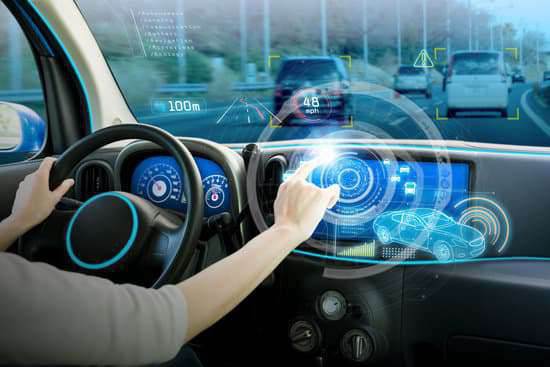
Digital technologies are playing a complementary role in NRMM decarbonization. Telematics, GPS tracking, and smart diagnostics help reduce fuel use by optimizing operations and preventing downtime. Predictive maintenance and real-time monitoring are becoming standard, minimizing environmental impact while maximizing efficienc
Collaborative Responsibility
Manufacturers, contractors, regulators, and policymakers all have roles to play. It’s not just about producing greener machines it’s about creating an ecosystem that supports their adoption. Public procurement policies that favor low-emission machinery and industry-wide training on efficient equipment use can accelerate this shift
Takeaway:
The transformation of Non-Road Mobile Machinery is essential for global decarbonization goals. While the road ahead requires investment and collaboration, cleaner, smarter, and more efficient machines are not just possible they’re already shaping the future of sustainable industry.
Learn more on our website: https://www.leadventgrp.com/event/2nd-annual-non-road-mobile-machinery-electrification-and-decarbonization-forum/register
For more information and group participation, contact us: [email protected] .
Leadvent Group - Industry Leading Events for Business Leaders!
www.leadventgrp.com | [email protected]







Comment