

Future-Proofing Submarine Cables for the Next Generation of Energy Demand
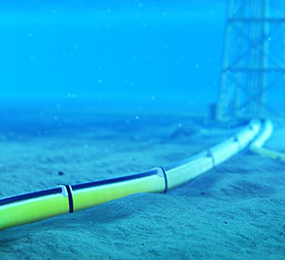
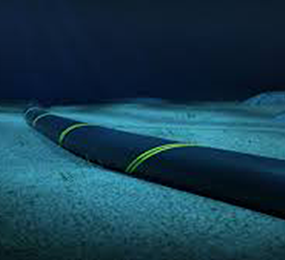
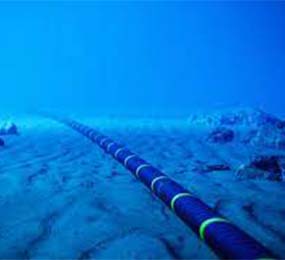
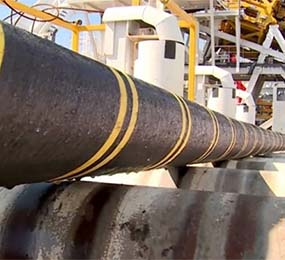
The global energy transition, characterized by the rapid expansion of offshore renewable energy sources and the increasing need for interconnected grids, places immense demands on submarine cable infrastructure. To meet the next generation of energy demand, future-proofing these vital arteries of power transmission is paramount, requiring continuous innovation in technology, design, and operational strategies.
A key aspect of future-proofing lies in enhancing capacity and efficiency. This involves pushing the boundaries of High Voltage Direct Current (HVDC) technology, particularly with advanced Voltage Source Converters (VSCs) and Modular Multilevel Converters (MMCs). These advancements enable higher power transfer over longer distances with minimal losses, crucial for connecting large-scale offshore wind farms and facilitating intercontinental energy trade. Innovations in cable materials, such as advanced polymers and even superconducting technologies, are also vital for increasing current density and reducing resistive losses.
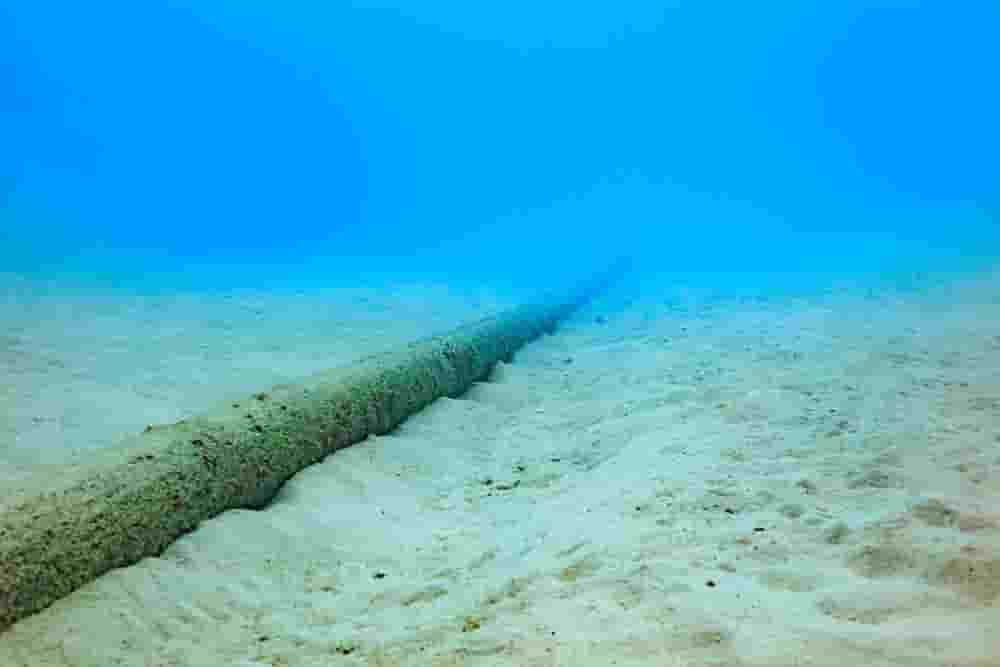
Furthermore, resilience and reliability are critical for future energy grids. This necessitates designing cables with enhanced durability against environmental stressors like strong currents, seabed movement, and marine life, as well as external threats like fishing gear and anchors. Implementing advanced monitoring systems, including integrated fiber optics for real-time sensing of temperature, acoustic anomalies, and cable integrity, allows for predictive maintenance and rapid fault detection. The development of robust HVDC circuit breakers is also essential for creating meshed offshore grids that can quickly isolate faults and maintain power flow.
Finally, scalability and adaptability are crucial for an evolving energy landscape. Future submarine cable systems must be designed to accommodate increasing power demands and integrate with emerging technologies like floating offshore substations. This requires standardized interfaces, modular designs where applicable, and flexible routing strategies that minimize environmental impact while maximizing connectivity. By embracing these multi-faceted advancements, submarine cables can be truly future-proofed, forming the resilient backbone of a global, sustainable energy network.
Visit our website to know more: https://www.leadventgrp.com/events/5th-annual-submarine-power-cable-and-interconnection-forum/details
For more information and group participation, contact us: [email protected]
Leadvent Group - Industry Leading Events for Business Leaders!




Comment