

Optimizing Solar Panel Design for Agricultural Coexistence
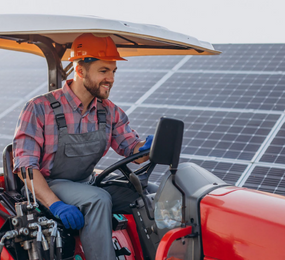
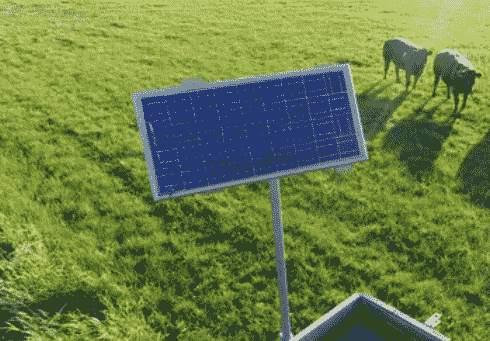
In 2026, the global push for "land-use efficiency" has transformed agrivoltaics from an experimental niche into a cornerstone of sustainable development. The traditional conflict between food and energy production is being resolved through sophisticated solar panel designs that prioritize biological needs alongside electrical yields. Optimizing these systems requires a delicate balance of light spectrum management, structural elevation, and smart tracking.
The Rise of Spectral Selectivity
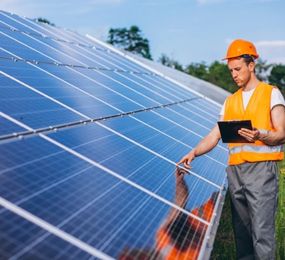
Modern solar design is moving beyond opaque silicon modules toward semi-transparent and wavelength-selective cells. Technologies such as Cadmium Telluride (CdTe) and Perovskite-silicon tandems allow for specific light filtration. By allowing photosynthetically active radiation (PAR)—the specific red and blue wavelengths plants need—to pass through while capturing infrared light for electricity, these panels act as "smart filters." Recent studies have shown that this can actually accelerate growth in certain seedlings by reducing heat stress and UV damage without sacrificing energy output.
Structural and Dynamic Innovations
Coexistence is also a matter of geometry. Bifacial solar panels have become the industry standard for agrivoltaics in 2026. By capturing reflected light from the ground (albedo), they generate up to 12% more energy than monofacial units, even when mounted vertically or at steep angles to accommodate farm machinery. Furthermore, AI-driven PV-trackers now dynamically adjust panel tilt based on real-time crop growth stages. For instance, during critical flowering periods, trackers can prioritize sunlight for the canopy, then pivot to maximize energy capture once the plant's light saturation point is reached.
Microclimate Synergies
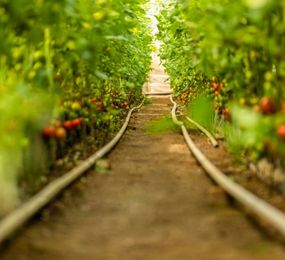
Optimized designs do more than produce power; they serve as a protective shield. In arid regions, solar arrays act as windbreaks and reduce soil evaporation by up to 30%, significantly lowering irrigation requirements. As we move further into the decade, the integration of IoT sensors within these arrays allows for precision farming, where the solar structure itself monitors soil moisture and plant health, creating a truly symbiotic ecosystem.
Visit our website to know more: https://www.leadventgrp.com/events/4th-annual-agrivoltaics-europe/details
For more information and group participation, contact us: [email protected]
Leadvent Group - Industry Leading Events for Business Leaders!
www.leadventgrp.com [email protected]





Comment