

Offshore Wind: Harnessing Ocean Power for Modern Energy Needs
Offshore wind has moved from a promising concept to a central pillar of the global energy transition. By placing wind turbines in coastal and open-sea environments, developers are tapping into stronger and more consistent wind resources than those typically found on land. This shift is helping countries meet rising electricity demand while reducing reliance on fossil fuels.
What sets offshore wind apart is the quality of the resource. Winds over the ocean are generally steadier and less affected by obstacles such as buildings or terrain. This consistency allows turbines to generate electricity more efficiently, resulting in higher and more predictable output. For energy systems that require reliability, this is a significant advantage.
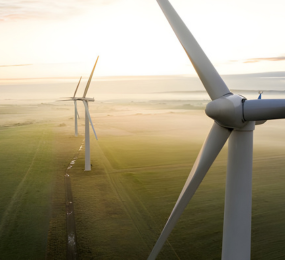
Scale is another defining feature. Offshore wind turbines are among the largest engineered structures in the energy sector, with longer blades and taller towers designed to capture more energy. When deployed in clusters, they form wind farms capable of powering entire cities. This makes offshore wind particularly valuable for countries seeking to expand renewable capacity quickly.
The environmental benefits are clear. Offshore wind generates electricity without direct carbon emissions, supporting efforts to address climate change. As governments set ambitious targets to reduce greenhouse gases, offshore wind is increasingly being integrated into national energy strategies.
Economic impact is also substantial. Offshore wind projects create opportunities across multiple industries, including manufacturing, marine engineering, logistics, and maintenance. Coastal regions, in particular, benefit from investment in port infrastructure and supply chains, contributing to local development and job creation.
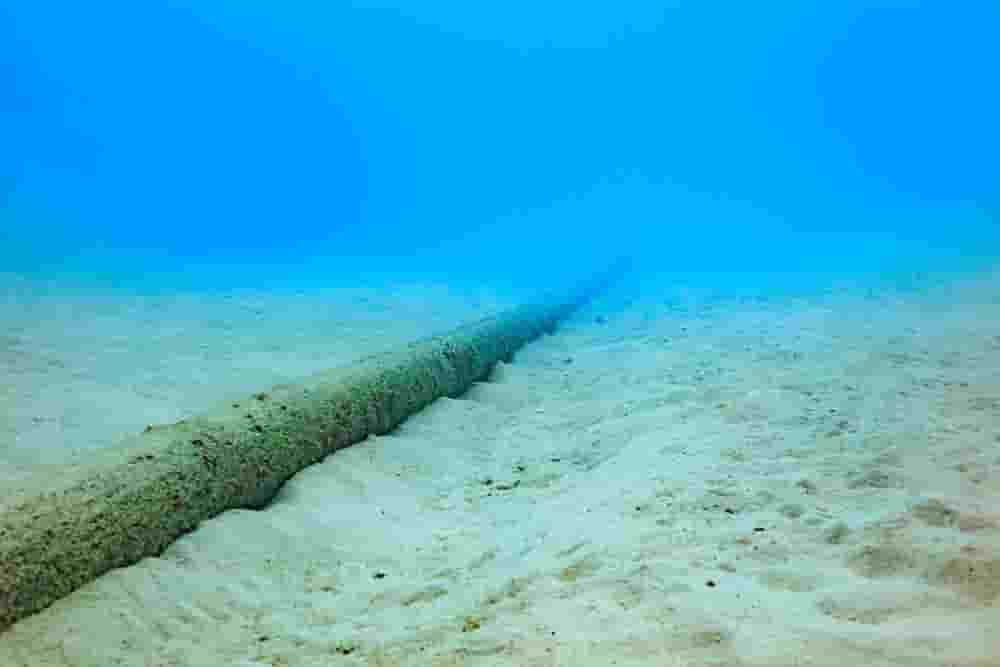
Technological progress has been a key driver of growth in the sector. Advances in turbine design, materials, and installation methods have improved efficiency and reduced costs over time. Modern subsea cable systems and grid integration technologies ensure that electricity generated offshore can be transmitted reliably to onshore networks.
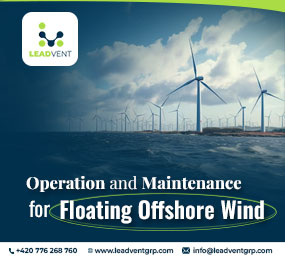
Floating wind technology is extending these possibilities even further. By enabling turbines to operate in deeper waters, it opens access to areas with stronger wind resources that were previously inaccessible. This innovation is expected to play a major role in the next phase of offshore wind expansion.
Despite its advantages, offshore wind presents challenges. The marine environment is complex, with factors such as deep water, strong currents, and harsh weather conditions requiring specialized engineering solutions. These conditions can increase project costs and demand a high level of technical expertise.
Environmental considerations are equally important. Offshore wind farms must be designed and managed to minimize impacts on marine ecosystems, including fish populations and bird migration routes. Careful planning and ongoing monitoring help ensure responsible development.
Grid infrastructure is another critical factor. Efficient transmission systems are needed to connect offshore wind farms to national grids. Continued investment in grid capacity and modernization is essential to fully harness the energy generated.
Offshore wind is no longer a niche solution, it is a key part of the global energy mix. As technology advances and investment grows, it will continue to play a vital role in delivering clean, reliable, and large-scale power.
Takeaway Point:
Offshore wind provides a scalable and low-emission energy solution, supporting global decarbonization while driving innovation and economic growth.
Learn more on our website: https://www.leadventgrp.com/event/5th-annual-offshore-wind-operations-and-maintenance-forum/register
For more information and group participation, contact us: [email protected]
Leadvent Group - Industry Leading Events for Business Leaders!
www.leadventgrp.com | [email protected]




Comment