

Non-Road Mobile Machinery: Driving Cleaner and Smarter Operations
When people think about emissions and sustainability, road vehicles often take the spotlight. Yet, another sector quietly contributes a significant share to global air pollution and energy use: non-road mobile machinery (NRMM). From construction sites and agricultural fields to airports and ports, NRMM powers the equipment that keeps industries moving. As sustainability goals grow more urgent, attention is turning to how this essential machinery can become cleaner, smarter, and more efficient.
What Is NRMM?
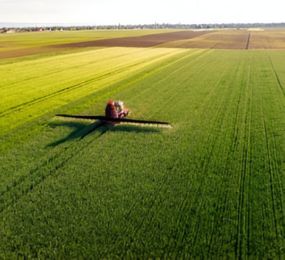
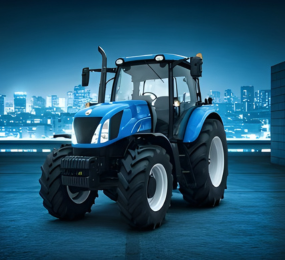
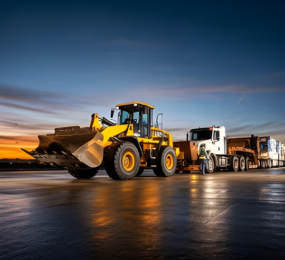
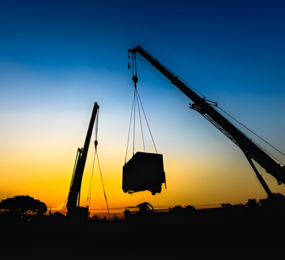
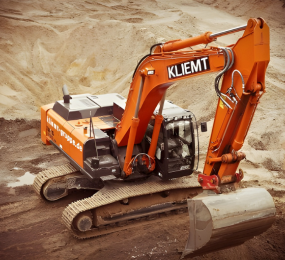
Non-road mobile machinery covers a wide range of equipment that operates off public roads. This includes excavators, bulldozers, tractors, cranes, forklifts, and even airport ground support vehicles. These machines are critical to infrastructure development, agriculture, logistics, and many other industries. Unlike passenger cars, they often run on heavy-duty diesel engines, which makes their emissions profile particularly significant.
Why NRMM Matters in the Sustainability Conversation
Globally, NRMM accounts for a notable portion of particulate matter (PM), nitrogen oxides (NOx), and carbon dioxide emissions. In urban centers, construction machinery alone can heavily influence air quality. With climate change and public health concerns on the rise, regulators and industries alike are recognizing the need to address the impact of NRMM. Reducing emissions from this sector is not just about compliance it’s about cleaner air, healthier communities, and a more responsible way of building the future.
The Shift Toward Cleaner Solutions
The transformation of NRMM is already underway. Stricter emission standards are being introduced across regions, prompting manufacturers to invest in cleaner engines and alternative power solutions. Electrification is beginning to make inroads, particularly in smaller machinery, while hybrid systems offer a balance of power and efficiency. Hydrogen fuel cells are also emerging as a potential solution for heavy-duty, high-energy-demand equipment.
Beyond fuel choice, digital innovation is playing a critical role. Telematics, data analytics, and automation are helping operators improve efficiency, reduce idle times, and optimize fuel consumption. These tools not only cut costs but also reduce the environmental footprint of machinery in daily operations.
Challenges and Opportunities
Transitioning NRMM to cleaner technology is not without hurdles. Many machines are built for long lifespans, meaning legacy fleets will continue to operate for years. Infrastructure for electrification or hydrogen refueling is still limited in many regions. Costs also remain a barrier, especially for smaller operators. However, these challenges are paired with opportunities. Companies that embrace sustainable NRMM can benefit from regulatory incentives, improved public perception, and long-term operational savings.
A Step Toward a Sustainable Future
Industries dependent on NRMM are at a turning point. The machinery that once symbolized heavy industry and environmental burden is now being reshaped into a driver of sustainable progress. With innovation, collaboration, and regulatory support, NRMM can contribute meaningfully to reducing emissions while ensuring that industries continue to thrive. Takeaway Point: Non-road mobile machinery is essential to modern life, but it must evolve. By combining cleaner energy solutions with digital innovation, NRMM can reduce its environmental impact and play a vital role in building a more sustainable and efficient future.
Learn more on our website: https://www.leadventgrp.com/event/2nd-annual-non-road-mobile-machinery-electrification-and-decarbonization-forum/register
For more information and group participation, contact us: [email protected]
Leadvent Group - Industry Leading Events for Business Leaders!
www.leadventgrp.com | [email protected]







Comment