

Agrivoltaics: Bridging Agriculture and Renewable Energy for a Sustainable Future
As the world works toward balancing food production with the demand for clean energy, a new concept is taking shape agrivoltaics. This innovative approach combines agriculture and solar energy generation on the same land, creating a system where crops and renewable power coexist. For farmers, communities, and policymakers, agrivoltaics offers a path toward sustainability without forcing a choice between food and energy.
Turning Challenges into Opportunities
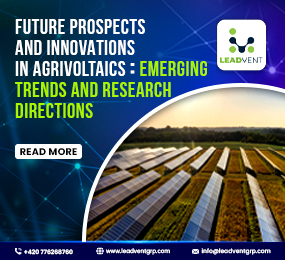
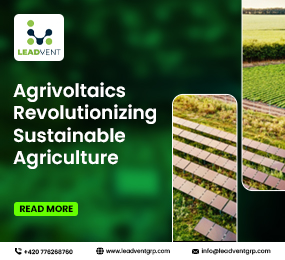
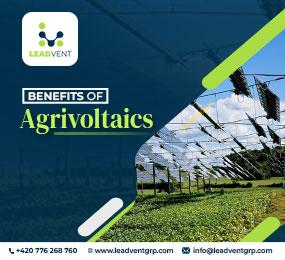
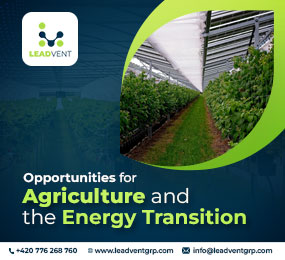
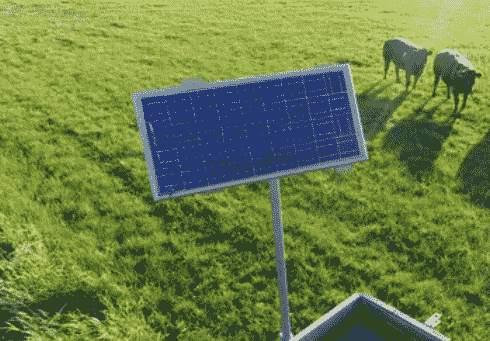
One of the biggest challenges of our time is land competition. Agriculture requires vast areas for food production, while renewable energy projects especially solar farms also demand significant space. Agrivoltaics addresses this challenge by allowing both uses to exist together. By installing solar panels above farmland, crops can grow beneath while energy is harvested from the sun above. This dual-use model is not only efficient but also a symbol of how innovation can solve real-world problems.
Benefits for Farmers and Communities
Agrivoltaics provides multiple benefits beyond energy generation. For farmers, the shading effect of solar panels can reduce water evaporation from soil, making crops more resilient in dry conditions. Research shows that certain crops, such as lettuce, tomatoes, and leafy greens, thrive under partial shading. This means farmers can maintain or even increase yields while cutting down irrigation costs.
Communities also benefit. Agrivoltaics projects can provide renewable electricity to nearby towns, strengthen energy security, and reduce carbon emissions. They also create jobs in both agriculture and renewable energy sectors, supporting rural economies that often face challenges from urban migration and declining agricultural profitability.
Driving Climate and Food Security Goals
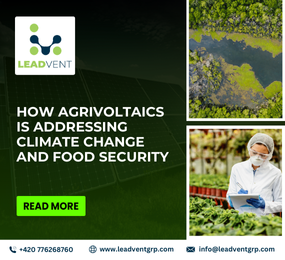
Climate change continues to put pressure on agriculture through rising temperatures, shifting rainfall patterns, and extreme weather. Agrivoltaics serves as a resilience tool by protecting crops and improving efficiency. At the same time, it accelerates the shift to renewable energy, helping nations meet climate commitments while supporting food security.
For regions facing both energy shortages and food supply challenges, agrivoltaics is particularly promising. It demonstrates that sustainability is not about trade-offs but about finding solutions where both sides win.
The Road Ahead
While agrivoltaics is gaining momentum, challenges remain. Upfront costs can be high, and designing systems that work effectively for both crops and energy requires careful planning. Policymakers and investors will play a crucial role in scaling projects through supportive frameworks and financing. With continued research, technological improvements, and collaboration, agrivoltaics has the potential to move from pilot projects to widespread adoption.
Takeaway Point: Agrivoltaics is more than a smart use of land it is a blueprint for how food and energy systems can evolve together. By integrating solar power with agriculture, societies can strengthen food security, advance renewable energy, and build resilience against climate change.
Learn more on our website: https://www.leadventgrp.com/event/4th-annual-agrivoltaics-europe/register
For more information and group participation, contact us: [email protected]
Leadvent Group - Industry Leading Events for Business Leaders!
www.leadventgrp.com | [email protected]






Comment