

Navigating the Depths: Digital Twin Technology in Submarine Cable Systems
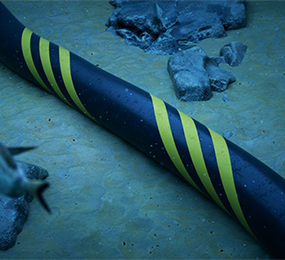
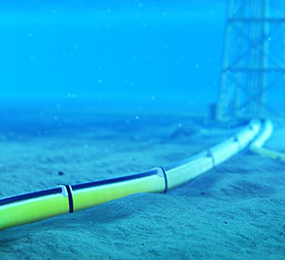
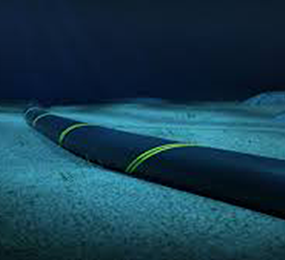
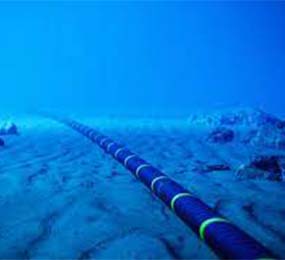
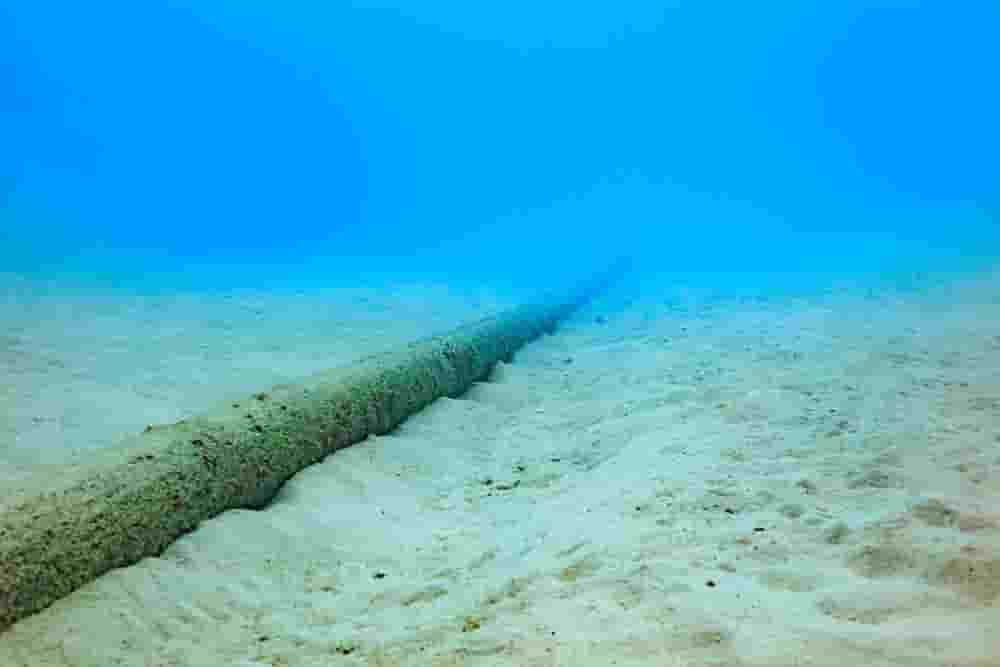
The backbone of global connectivity lies hidden beneath the ocean's surface. Submarine cable systems carry over 95% of international data, yet they remain vulnerable to seismic activity, maritime traffic, and the sheer pressure of the deep sea. To safeguard this critical infrastructure, the industry is turning to Digital Twin technology—a virtual mirror of physical assets that revolutionizes how we manage the seafloor.
Real-Time Monitoring and Predictive Maintenance
A Digital Twin is not just a static 3D model; it is a living data entity fed by real-time sensors and historical data. By integrating fiber-optic sensing technology—such as Distributed Acoustic Sensing (DAS)—operators can detect minute vibrations or temperature shifts. The Digital Twin processes this data to predict potential failures before they occur. Whether it’s an anchor drag or a shifting tectonic plate, the virtual model allows for preemptive rerouting or rapid repair mobilization, significantly reducing downtime.
Precision Installation and Planning
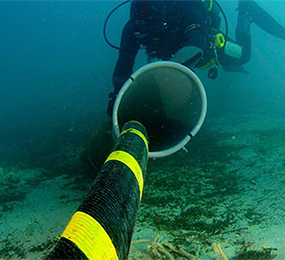
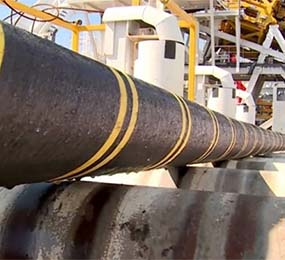
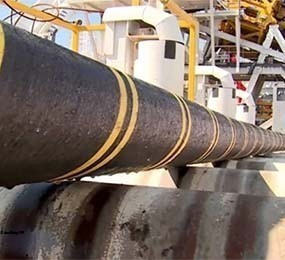
The deployment of subsea cables is a multi-million dollar gamble against unpredictable terrain. Digital Twins enable "virtual rehearsals" of cable laying. By simulating hydrothermal vents, steep trenches, and current speeds, engineers can optimize the cable route to minimize tension and abrasion. This spatial intelligence ensures that the physical cable is placed with centimeter-level precision, extending its lifespan and reducing environmental impact.
Lifecycle Management and Sustainability
Beyond maintenance, Digital Twins offer a holistic view of the system’s lifecycle. They track the degradation of protective coatings and the efficiency of repeaters over decades. As the industry moves toward greener practices, these models help optimize power consumption and assess the impact of cables on local marine ecosystems, ensuring that global communication doesn't come at the cost of ocean health.




Comment