

E-Fuels: Bridging Today’s Energy Systems with a Low-Carbon Future
As industries search for ways to reduce emissions without disrupting existing infrastructure, e-fuels are emerging as a practical and adaptable solution. Often referred to as synthetic fuels, e-fuels are produced using renewable electricity and offer a pathway to cleaner energy, particularly in sectors where direct electrification is not yet feasible.
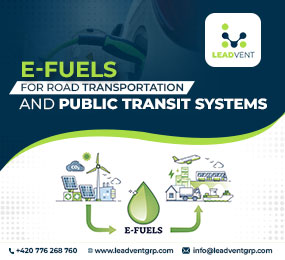
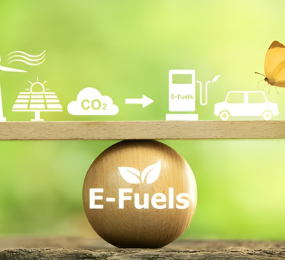
E-fuels are created through a process that begins with the production of hydrogen. Using renewable electricity, water is split into hydrogen and oxygen through electrolysis. The hydrogen is then combined with captured carbon dioxide to produce synthetic fuels such as e-diesel, e-kerosene, or e-methanol. These fuels can be used in much the same way as conventional fossil fuels, making them compatible with existing engines and infrastructure.
One of the key advantages of e-fuels is their ability to reduce lifecycle emissions. While they release carbon dioxide when used, the carbon is typically sourced from captured emissions during production. This creates a more balanced carbon cycle compared to traditional fuels, helping lower overall environmental impact.
E-fuels are particularly relevant for industries that are difficult to decarbonize. Aviation, for example, requires high-energy-density fuels for long-haul flights, making battery-powered alternatives impractical at present. Similarly, maritime transport and heavy-duty trucking rely on fuels that can support extended operations. In these cases, e-fuels provide a viable option for reducing emissions without compromising performance.
Another benefit of e-fuels is their flexibility. They can be transported, stored, and distributed using existing fuel infrastructure, including pipelines and refueling systems. This reduces the need for large-scale changes and allows for a more gradual transition toward lower-carbon energy solutions.
Despite their potential, e-fuels face several challenges. Production costs remain relatively high due to the energy-intensive nature of electrolysis and carbon capture. Additionally, scaling production requires significant investment in renewable energy capacity, as large amounts of electricity are needed to produce e-fuels at scale.
Efficiency is another consideration. Compared to direct electrification, the process of converting electricity into fuel and then back into energy can result in energy losses. As a result, e-fuels are best suited for applications where electrification is not practical.
Technological advancements are helping to address these challenges. Improvements in electrolysis efficiency, carbon capture methods, and production processes are gradually reducing costs and increasing output. As these technologies continue to develop, e-fuels are expected to become more competitive.
Policy support is also playing a key role. Governments and international organizations are introducing incentives, funding research, and setting targets to encourage the development and use of e-fuels. These measures are helping create a more supportive environment for investment and innovation.
E-fuels are not a standalone solution but part of a broader energy transition. They complement other clean energy technologies, offering flexibility in sectors where alternatives are limited.
As the global energy landscape evolves, e-fuels provide a bridge between current systems and a more sustainable future, helping industries reduce emissions while maintaining reliability and performance.
Takeaway Point:
E-fuels offer a flexible, low-carbon solution for hard-to-electrify sectors, supporting emissions reduction while utilizing existing energy infrastructure.











Comment