

How ESG (Environmental, Social, Governance) Criteria Affect Supply Chain Risk
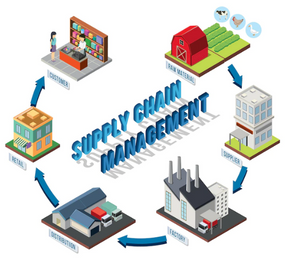
The integration of Environmental, Social, and Governance (ESG) criteria has fundamentally redefined modern supply chain risk management. Once viewed as optional ethical guidelines, ESG metrics are now recognized as crucial indicators of a partner's long-term operational stability and a powerful lens through which to predict potential business disruptions. Poor ESG performance within a supply network acts as a risk multiplier, exposing companies to financial penalties, operational interruptions, and severe reputational harm across multiple tiers.
The Environmental (E) pillar is critical, addressing risks related to climate change and resource scarcity. Suppliers failing to manage their carbon footprint, water usage, or waste disposal face escalating regulatory risks, such as carbon border adjustments or non-compliance fines. Crucially, suppliers located in high-risk zones may experience operational downtime due to extreme weather events, immediately translating into logistical delays for the primary company. This forces organizations to map their physical exposure to climate vulnerabilities deep within their tiers
The Social (S) and Governance (G) aspects address human capital and operational integrity. Social risks include labor exploitation, poor working conditions, and inadequate safety standards. A single incident of forced labor or a major factory accident can lead to instant boycotts, mandated market withdrawal, and devastating brand erosion. Similarly, weak Governance structures—such as a lack of anti-corruption policies or transparent financial reporting—increase the likelihood of fraud, legal entanglements, and instability, jeopardizing the reliability of the entire chain.
Ultimately, ESG criteria transform risk management from a transactional process (focused on cost and delivery) to a relational one (focused on shared values and resilience). Companies that prioritize and enforce high ESG standards across their supplier base build more robust, resilient, and ethically sound supply chains, thereby converting potential risks into sustainable competitive advantages.
Visit our website to know more: https://www.leadventgrp.com/events/3rd-annual-supply-chain-riskand-resilience-forum/details
For more information and group participation, contact us: [email protected]
Leadvent Group - Industry Leading Events for Business Leaders!
www.leadventgrp.com| [email protected]













Comment