

Harnessing Windpower Data for a Smarter Energy Future
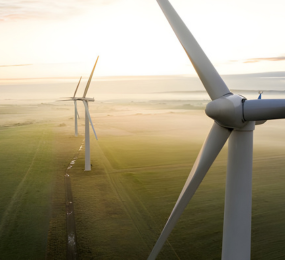
As the world accelerates its transition toward renewable energy, windpower has emerged as one of the most reliable and scalable solutions. Yet, what truly unlocks the potential of wind energy is not only the turbines towering along coastlines and open fields, but the data that drives their performance. Windpower data is becoming the backbone of smarter, more efficient, and more sustainable energy systems.
Understanding the Value of Windpower Data
Every rotation of a turbine generates more than just electricity, it generates insights. Sensors embedded in turbines track wind speeds, blade performance, vibration, temperature, and power output. This data provides operators with a real-time understanding of efficiency, wear and tear, and environmental conditions. By interpreting this information, energy companies can optimize turbine performance and minimize downtime.
Driving Efficiency and Reliability
One of the most significant benefits of windpower data is predictive maintenance. Instead of reacting to equipment failures, operators can anticipate issues before they occur. For instance, data analytics can flag unusual vibrations in a turbine blade, allowing engineers to address the problem early. This not only extends the lifespan of assets but also reduces operational costs, making wind energy more competitive in the global energy market.
Supporting Smarter Grid Integration
Windpower data also plays a critical role in balancing supply and demand. Since wind is variable by nature, accurate forecasting is essential. Advanced data models allow grid operators to predict wind energy generation with increasing accuracy, ensuring reliable integration into national grids. This improves grid stability and reduces reliance on backup fossil fuels, further lowering carbon emissions.
Informing Investment and Policy Decisions
Beyond operations, windpower data provides a foundation for decision-making at both corporate and policy levels. Investors use performance data to assess project viability and financial returns, while policymakers rely on it to set realistic targets for renewable energy expansion. Transparent and standardized reporting of wind data also builds trust with stakeholders and communities, strengthening public support for wind projects.
The Future of Windpower Data
With advancements in artificial intelligence and machine learning, the use of windpower data is moving into a new era. Predictive models are becoming more sophisticated, enabling near-real-time optimization of entire wind farms. Coupled with digital twins virtual models of turbines and farms operators can simulate scenarios, test solutions, and push the boundaries of efficiency and safety.
Takeaway Point: Windpower data is more than numbers, it is the key to making renewable energy smarter, more reliable, and more impactful. By harnessing data effectively, the energy sector can ensure windpower not only keeps the lights on but also powers a cleaner, more sustainable future.
Learn more on our website: https://www.leadventgrp.com/event/7th-edition-windpower-data-and-digital-innovation-forum/register
For more information and group participation, contact us: [email protected]
Leadvent Group - Industry Leading Events for Business Leaders!
www.leadventgrp.com | [email protected]













Comment