

Floating Wind: Unlocking the Potential of Deep-Sea Energy
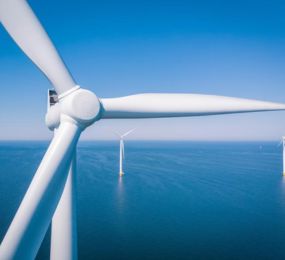
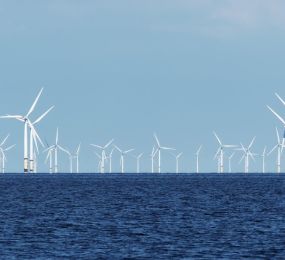
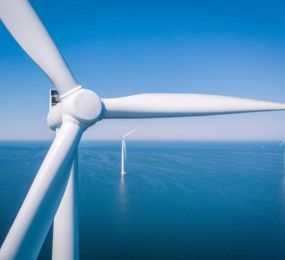
As the global energy transition accelerates, the search for reliable and scalable renewable sources has led to rapid growth in offshore wind. Yet, traditional offshore wind farms are limited to shallow waters where turbines can be fixed to the seabed. Floating wind is changing that narrative, offering a way to harness powerful wind resources in deeper waters that were once out of reach.
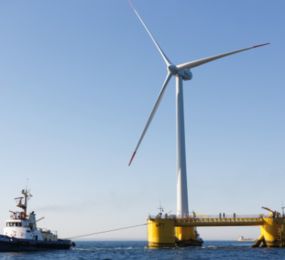
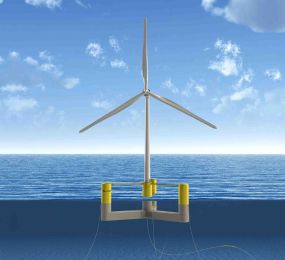
Floating wind turbines are mounted on buoyant platforms that remain stable on the ocean surface while being anchored to the seabed. This design allows them to operate effectively in deeper regions where wind speeds are often stronger and more consistent. By expanding the areas available for wind energy generation, floating wind significantly increases the potential capacity of offshore renewable energy.
One of the most compelling advantages of floating wind is access to high-quality wind resources. Winds further offshore tend to be less turbulent and more predictable, which translates into higher and more stable energy output. This makes floating wind an attractive option for countries with deep coastal waters or limited shallow seabed areas.
Another benefit lies in flexibility. Floating turbines can be installed farther from shore, reducing visual impact and minimizing potential conflicts with coastal land use. This is particularly important in regions where coastal space is already under pressure from urban development, tourism, and environmental conservation.
Technological innovation has been central to the advancement of floating wind. Different platform designs such as spar-buoy, semi-submersible, and tension-leg systems have been developed to suit varying ocean conditions. These structures are engineered to withstand waves, currents, and strong winds while maintaining stability and performance.
Floating wind also contributes to economic development. The sector supports a wide range of industries, including marine engineering, shipbuilding, and offshore construction. As projects expand, they create employment opportunities and encourage investment in coastal infrastructure such as ports and maintenance facilities.
Despite its potential, floating wind remains in a relatively early stage of commercial development. Costs are currently higher than those of fixed-bottom offshore wind due to the complexity of installation and maintenance in deep-water environments. Specialized vessels, advanced materials, and technical expertise are required, which can influence project economics.
However, as more projects are deployed and experience grows, costs are expected to decline. Advances in design, manufacturing, and installation methods are already improving efficiency and reducing expenses. Continued investment and supportive policies will play a key role in accelerating this progress.
Environmental considerations are an important part of floating wind development. Projects must be carefully planned to minimize impacts on marine ecosystems, including fish habitats and bird migration routes. Ongoing monitoring and research help ensure that operations remain sustainable.
Looking ahead, floating wind is positioned to become a significant contributor to the global energy mix. It complements other renewable technologies by providing access to new energy resources and increasing overall capacity.
Floating wind represents a shift in how renewable energy can be deployed moving beyond traditional limitations and embracing innovation to meet future demands. By unlocking deep-water wind potential, it offers a powerful pathway toward a cleaner and more resilient energy system.
Takeaway Point: Floating wind expands renewable energy into deep-water regions, unlocking stronger wind resources and supporting the transition to a more sustainable and scalable energy future.
Learn more on our website: https://www.leadventgrp.com/event/6th-annual-floating-wind-europe/register
For more information and group participation, contact us: [email protected]
Leadvent Group - Industry Leading Events for Business Leaders!
www.leadventgrp.com | [email protected]






Comment