

Agrivoltaics: Where Energy Production Meets Agriculture
As global demand for both food and energy continues to rise, the pressure on land resources is becoming more pronounced. Traditionally, agriculture and solar energy projects have competed for space. Agrivoltaics offers a different approach one that allows both to coexist productively on the same land.
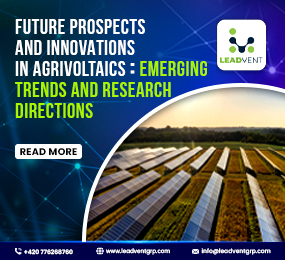
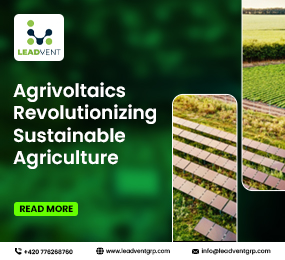
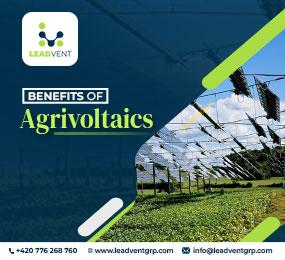
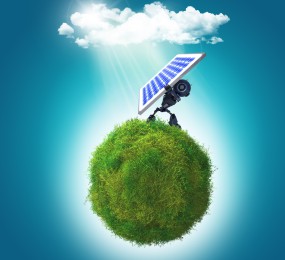
Agrivoltaics, sometimes referred to as Agri-PV, involves installing solar panels above or alongside crops in a way that supports agricultural activity while generating electricity. Rather than displacing farmland, this model transforms it into a dual-use system, creating value from both food production and clean energy generation.
One of the most significant benefits of agrivoltaics is improved land efficiency. By combining two essential functions on a single plot, it maximizes output without requiring additional space. This is particularly important in regions where land availability is limited or where agricultural productivity must be preserved.
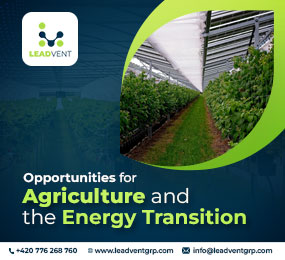
The presence of solar panels can also create favorable growing conditions for certain crops. Panels provide partial shade, which helps protect plants from excessive heat and sunlight. In hot climates, this shading can reduce plant stress, improve water retention in the soil, and in some cases, enhance crop yields. Crops that are sensitive to high temperatures or require moderate sunlight often benefit the most from this environment.
Water conservation is another key advantage. The shade provided by solar panels reduces evaporation, allowing soil to retain moisture for longer periods. This can lower irrigation requirements and support more efficient water use—an important factor in areas facing water scarcity.
For farmers, agrivoltaics introduces an additional source of income. In addition to agricultural revenue, energy production provides financial stability, either through direct electricity sales or leasing arrangements with energy developers. This diversification can help mitigate risks associated with fluctuating crop prices and changing weather patterns.
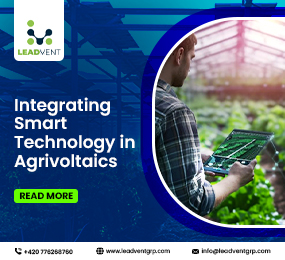
Technological innovation is making agrivoltaic systems more adaptable. Adjustable panel heights, tracking systems, and customized layouts allow installations to be tailored to specific crops and farming practices. This ensures that both energy generation and agricultural productivity are optimized.
Despite its advantages, agrivoltaics requires careful planning. The design of the system must balance sunlight distribution, panel spacing, and crop selection to ensure
that neither function is compromised. Collaboration between farmers, engineers, and policymakers is essential to achieve effective results.
Globally, agrivoltaics is gaining attention as a sustainable land-use strategy. Governments and research institutions are supporting pilot projects and developing frameworks to encourage adoption. As renewable energy targets increase, agrivoltaics provides a practical way to expand solar capacity without reducing agricultural output.
Looking ahead, agrivoltaics represents a shift in how land is utilized. It demonstrates that energy production and agriculture do not have to compete instead, they can complement each other in a way that supports both sustainability and economic resilience.
Agrivoltaics is not just an innovation in solar technology; it is a rethinking of land use. By aligning energy generation with agricultural needs, it offers a balanced and forward-looking approach to meeting global challenges.
Takeaway Point: Agrivoltaics maximizes land use by combining solar energy and agriculture, improving efficiency, supporting crop resilience, and creating new economic opportunities for farmers.
Learn more on our website: https://www.leadventgrp.com/event/4th-annual-agrivoltaics-europe/register
For more information and group participation, contact us: [email protected]
Leadvent Group - Industry Leading Events for Business Leaders!
www.leadventgrp.com | [email protected]






Comment