

Floating Wind: Unlocking the Future of Offshore Renewable Energy
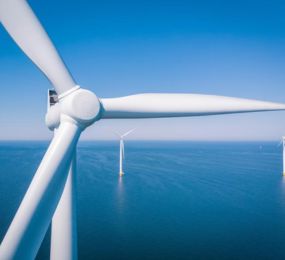
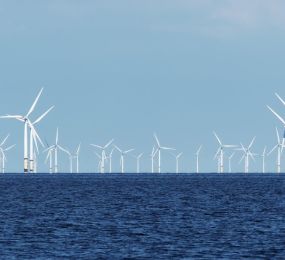
The demand for clean energy has never been greater, and offshore wind power is at the center of this transformation. While traditional offshore turbines are anchored to shallow seabeds, new floating wind technology is opening vast possibilities in deeper waters, where stronger and more consistent winds can be harnessed. This innovation is not just a technical leap it represents a vital step in the global journey toward carbon neutrality.
Why Floating Wind Matters
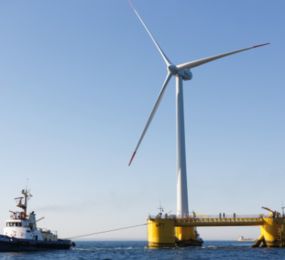
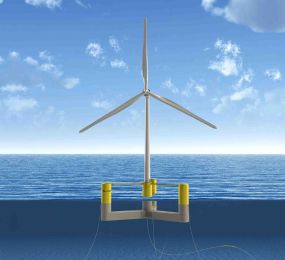
Floating wind farms solve one of the biggest challenges in offshore energy: geography. Fixed-bottom turbines can only be installed in shallow waters, typically up to 60 meters deep. Yet, many of the world’s coastlines drop off quickly, leaving enormous wind resources untapped. Floating wind platforms, anchored to the seabed with mooring lines rather than rigid foundations, make it possible to capture energy in waters deeper than 1,000 meters.
This means countries with limited shallow coastlines such as Japan, Norway, or parts of the U.S. can now tap into offshore wind as a key part of their renewable strategy. For coastal regions with strong winds but deep seas, floating technology is a game-changer.
Benefits Beyond Energy Generation
The advantages of floating wind go far beyond simply producing electricity. By moving further offshore, floating farms reduce the visual impact often associated with near-shore turbines. They also face fewer conflicts with fishing zones, shipping lanes, and coastal tourism.
Additionally, floating wind platforms can be manufactured and assembled in ports before being towed to sea, reducing the environmental footprint of installation. This approach also creates opportunities for coastal communities to benefit from new jobs and skills in construction, engineering, and long-term maintenance.
Challenges on the Horizon
As with any emerging technology, floating wind faces hurdles. The costs remain higher than those of traditional offshore wind, due in part to the complexity of design and installation. Harsh ocean conditions also place significant demands on durability and safety. However, with more demonstration projects underway across Europe, Asia, and the U.S., costs are expected to decline as technology matures and economies of scale take hold.
Governments are beginning to recognize the potential of floating wind, with dedicated funding, policy incentives, and research partnerships driving momentum. The progress of projects like Hywind Scotland and Kincardine Offshore in the UK demonstrate that floating wind is not just an idea it’s a proven reality with increasing commercial viability.
A Step Toward the Energy Transition
Floating wind is more than an energy solution it is part of a larger vision for sustainable growth. By expanding the reach of offshore wind, it strengthens global energy security, reduces reliance on fossil fuels, and accelerates the path toward net-zero targets.
Takeaway Point: Floating wind technology unlocks offshore energy in deeper waters, offering a practical and scalable solution for the world’s clean energy transition. While challenges remain, its potential to reshape global renewable energy is immense, marking it as one of the most promising frontiers in the fight against climate change.
Learn more on our website: https://www.leadventgrp.com/event/6th-annual-floating-wind-europe/register
For more information and group participation, contact us: [email protected]
Leadvent Group - Industry Leading Events for Business Leaders!
www.leadventgrp.com | [email protected]








Comment