

Decarbonizing Non-Road Mobile Machinery: Building a Cleaner Future
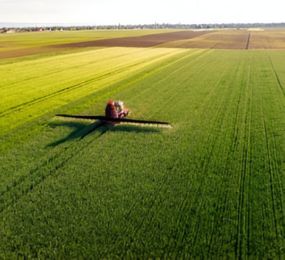
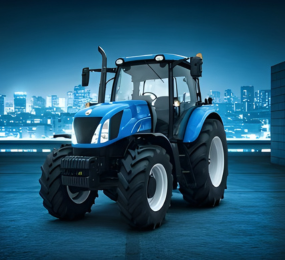
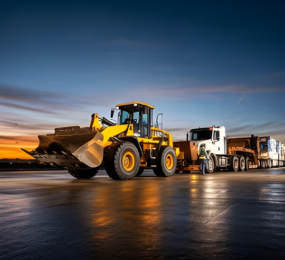
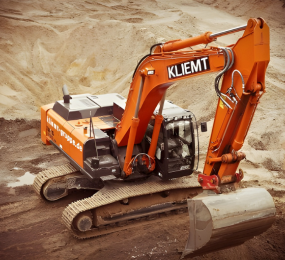
Non-Road Mobile Machinery (NRMM) may not always make the headlines, but it plays a vital role in construction, agriculture, mining, and logistics. From excavators and bulldozers to tractors and forklifts, these machines are the backbone of industries that build cities, grow food, and move essential goods. However, their heavy reliance on diesel engines has also made them a significant source of emissions, prompting a global push for decarbonization.
As governments, industries, and communities work to meet climate goals, NRMM is coming under increasing focus. The sector’s transformation is not only about reducing carbon emissions but also about improving air quality, driving innovation, and making operations more efficient.
Why NRMM Matters in the Climate Conversation
Unlike cars or trucks, NRMM often operates in regulated zones such as cities, ports, and farms places where emissions directly affect communities. Studies show that NRMM contributes a notable share of nitrogen oxides (NOx) and particulate matter (PM), pollutants linked to respiratory health problems. Addressing these emissions is essential for both environmental and public health outcomes.
Moreover, the energy consumption of these machines is substantial. With global infrastructure development on the rise, demand for NRMM will only grow, making it urgent to adopt cleaner alternatives.
Pathways to Decarbonization
Decarbonizing NRMM involves a mix of strategies:
1. Electrification: Battery-powered machinery is gaining ground, especially in construction and logistics. Advances in battery technology are making it possible for even heavy-duty equipment to operate efficiently with zero tailpipe emissions.
2. Hydrogen and Alternative Fuels: In applications where batteries may not yet be practical, hydrogen fuel cells and sustainable biofuels are emerging as strong contenders. They offer flexibility, faster refueling, and extended operating hours.
3. Hybrid Solutions: For some industries, hybrid machines combining traditional engines with electric systems provide an interim step toward full decarbonization.
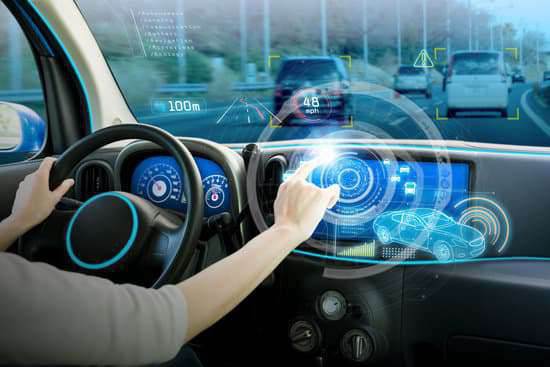
4. Digital Efficiency: Smart technologies, telematics, and automation reduce idle times, optimize fuel use, and improve productivity cutting both emissions and costs.
The Role of Policy and Industry Collaboration
Governments and regulators are setting stricter emissions standards, pushing manufacturers and operators to accelerate innovation. Incentives for cleaner technologies and investments in charging and refueling infrastructure are critical for scaling up adoption.
Industry partnerships also play a major role. Equipment manufacturers, energy providers, and technology firms are working together to bring practical, cost-effective solutions to the market. Collaborative pilots and demonstration projects are showing what is possible when innovation meets real-world needs.
Looking Ahead
The decarbonization of NRMM is not without challenges high upfront costs, infrastructure gaps, and the need for skilled workforce adaptation remain barriers. Yet, the momentum is building. Every step taken to reduce emissions from NRMM contributes to cleaner cities, healthier communities, and a more sustainable industrial future.
Takeaway Point: Decarbonizing non-road mobile machinery is more than a technological shift it is a commitment to healthier communities, stronger industries, and a sustainable future. By investing in cleaner solutions today, the NRMM sector can power progress while reducing its environmental footprint.
Learn more on our website: https://www.leadventgrp.com/event/2nd-annual-non-road-mobile-machinery-electrification-and-decarbonization-forum/register
For more information and group participation, contact us: [email protected]
Leadvent Group - Industry Leading Events for Business Leaders!
www.leadventgrp.com | [email protected]






Comment