

Floating Wind: Unlocking Offshore Energy Potential
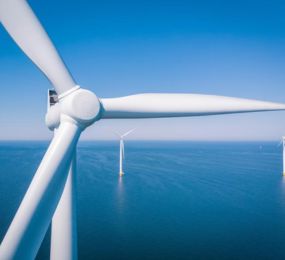
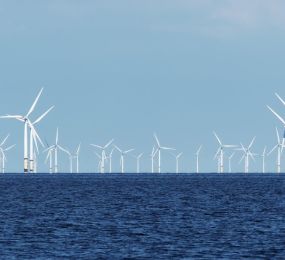
As the global shift toward clean energy accelerates, floating wind technology has emerged as a groundbreaking solution to unlock offshore wind resources in deeper waters. Unlike traditional fixed-bottom turbines, which are limited to shallow seabeds, floating wind platforms make it possible to harness powerful winds far offshore where energy potential is greater, more consistent, and less intrusive to coastal landscapes.
Why Floating Wind Matters
Global demand for renewable energy continues to rise as nations set ambitious net-zero targets. Offshore wind has already proven its value, but nearly 80% of the world’s offshore wind potential lies in waters too deep for fixed-bottom foundations. This is where floating wind offers a transformative solution. By allowing turbines to be deployed in deeper seas, floating platforms open up access to vast untapped resources, particularly in regions with steep coastal shelves such as Japan, Norway, Portugal, and parts of Africa.
Technology at Work
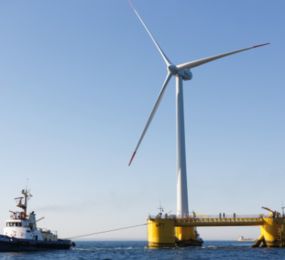
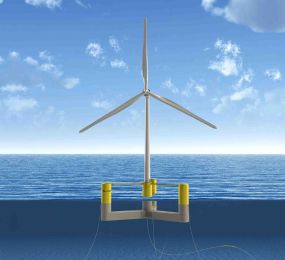
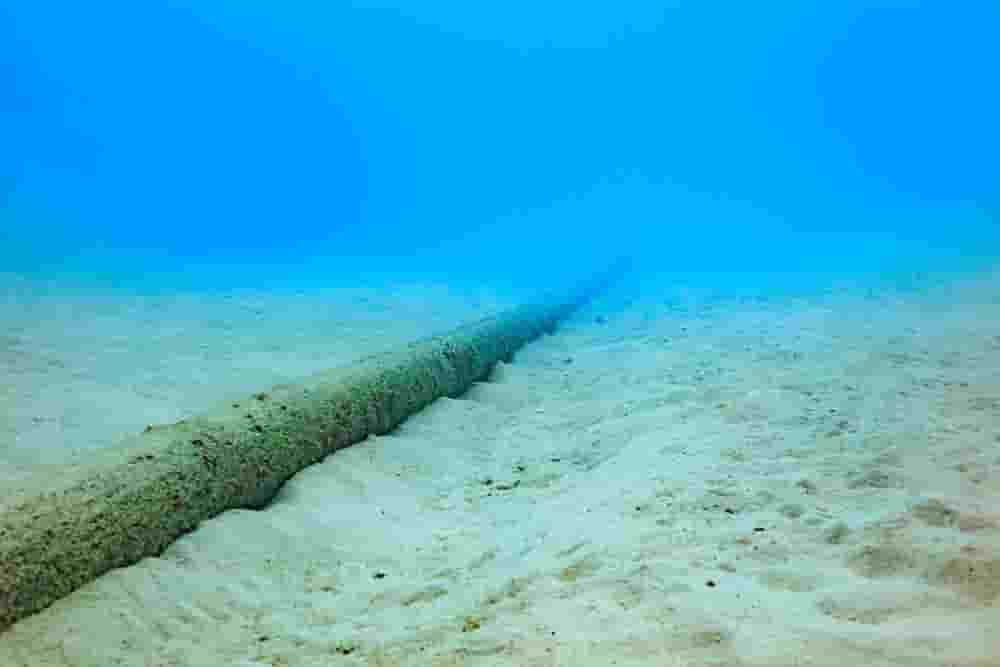
Floating wind turbines are mounted on buoyant platforms anchored to the seabed with mooring lines. These platforms are engineered to remain stable, even in harsh marine conditions, while transmitting clean electricity back to shore through subsea cables. Advances in design ranging from semi-submersible structures to spar-buoy systems are reducing costs and improving efficiency. With continued innovation, floating wind farms are expected to compete on price with traditional offshore wind within the next decade.
Environmental and Social Benefits
Floating wind technology also carries significant environmental and social advantages. By situating turbines farther offshore, visual impact on coastal communities is minimized, helping to reduce opposition often faced by onshore and nearshore projects. The ability to access stronger winds in deeper waters means higher energy yields, contributing to energy security and a more reliable supply of renewable electricity. Furthermore, floating wind aligns with efforts to decarbonize industries, support green jobs, and create opportunities in local economies through construction, maintenance, and supply chain development.
Challenges to Overcome
Despite its promise, floating wind is still in its early stages of commercial deployment. High upfront costs, technical complexity, and the need for specialized infrastructure
remain key challenges. Grid integration and the development of robust supply chains will be crucial for scaling up. Collaboration between governments, investors, and technology developers is essential to accelerate commercialization and bring floating wind to its full potential.
Looking Ahead
Momentum is building, with pilot projects already operating successfully in Europe and Asia. As costs decline and experience grows, floating wind could become a central pillar of the global energy transition. It represents not just a technological breakthrough but also a vision of a sustainable future where renewable energy is abundant, accessible, and capable of powering entire economies.
Takeaway Point: Floating wind is more than an innovation it is a gateway to unlocking the vast energy potential of deeper seas. By investing in this emerging technology today, the world moves closer to achieving a resilient, sustainable, and net-zero future.
Learn more on our website: https://www.leadventgrp.com/event/6th-annual-floating-wind-europe/register For more information and group participation, contact us: [email protected] .
Leadvent Group - Industry Leading Events for Business Leaders!
www.leadventgrp.com | [email protected]






Comment
Ånund Ottesen
November 13, 2025
"AquacultureWindWaveEnergy"; AWWE, 4Wind1Wave and "AquacultureWindWaveHybrid", AWWHybrid have LCOE about $ 0,05/kWh. Regards Ånund Ottesen