

E-Fuels: Powering the Future of Sustainable Energy
As the world accelerates its transition away from fossil fuels, the demand for alternatives that can decarbonize industries without disrupting existing infrastructure has never been greater. One innovation attracting growing attention is E-Fuels synthetic fuels made using renewable electricity, water, and captured carbon dioxide. More than just an alternative energy source, E-Fuels represent a practical step toward achieving net-zero emissions while keeping critical sectors of the economy running.
What Are E-Fuels?
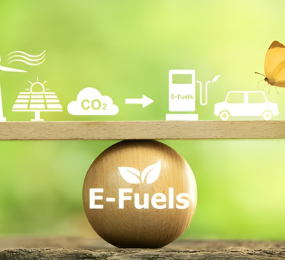
E-Fuels, also known as synthetic fuels or electrofuels, are created through a process that combines hydrogen produced from water using renewable electricity with carbon dioxide captured from the air or industrial processes. The result is a liquid or gaseous fuel that can power cars, trucks, ships, and even aircraft. What makes them unique is their carbon-neutral potential: the CO? released when E-Fuels are burned is roughly equal to the CO? captured during their production.
Why E-Fuels Matter
One of the greatest advantages of E-Fuels is compatibility. Unlike hydrogen or battery-electric technologies, which often require new infrastructure, E-Fuels can be used in today’s combustion engines, pipelines, and refueling stations. This makes them an attractive solution for hard-to-decarbonize sectors such as aviation, shipping, and heavy road transport industries where electrification faces significant technical and economic hurdles.
For countries aiming to meet climate goals without leaving behind existing infrastructure, E-Fuels offer a bridge. They allow governments and industries to cut emissions while avoiding the immediate need for costly overhauls.
Challenges on the Road Ahead
Despite their promise, E-Fuels are still in their early stages of development. Production is energy-intensive, requiring vast amounts of renewable electricity to generate hydrogen and process it into usable fuel. Today, costs remain higher than fossil fuels, making large-scale adoption a challenge.
However, momentum is building. Pilot projects are already underway in Europe, Asia, and the Americas, and investments from energy companies and governments are driving innovation. As renewable energy becomes more abundant and affordable, the production of E-Fuels is expected to scale, reducing costs and expanding accessibility.
A Future Shaped by Innovation
The success of E-Fuels will depend on collaboration across industries, governments, and research institutions. Policies that support investment, carbon pricing mechanisms, and international cooperation will all be vital to accelerating their adoption.
While E-Fuels may not replace every form of energy, they provide a crucial piece of the puzzle. Alongside electrification, hydrogen, and biofuels, they form part of a broader strategy to decarbonize energy systems and achieve a more sustainable future.
Takeaway Point: E-Fuels hold the potential to transform how we power transport and industry by offering a carbon-neutral alternative that works with existing infrastructure. Though challenges remain, their role in bridging today’s energy systems with tomorrow’s sustainability goals makes them a critical part of the clean energy transition.
Learn more on our website: https://www.leadventgrp.com/event/2nd-annual-world-e-fuels-summit/register
For more information and group participation, contact us: [email protected]
Leadvent Group - Industry Leading Events for Business Leaders!
www.leadventgrp.com | [email protected]










Comment