

Floating Wind Europe: Unlocking Offshore Renewable Potential
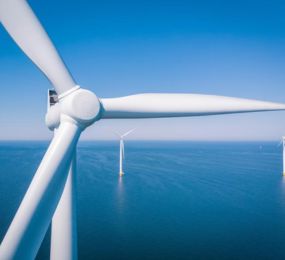
Europe has long been a leader in offshore wind energy, but as the industry matures, attention is shifting from fixed-bottom turbines to floating wind technology. This innovative approach allows wind farms to be installed in deeper waters, tapping into stronger and more consistent wind resources. Floating wind is no longer just a concept it is becoming a key pillar of Europe’s renewable energy strategy.
Why Floating Wind Matters
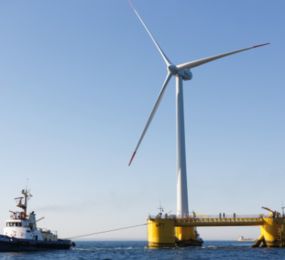
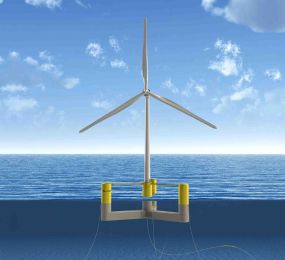
Fixed-bottom offshore wind farms have proven highly successful in generating clean energy, but they are limited to shallow waters, typically less than 60 meters deep. This restriction leaves vast areas of Europe’s coastline untapped. Floating wind technology overcomes this barrier by using floating platforms anchored to the seabed, allowing turbines to operate in water depths of several hundred meters.
By accessing deeper waters, floating wind projects can harness steadier wind speeds, improving efficiency and reducing intermittency. This means more reliable renewable energy production and a stronger contribution to Europe’s climate goals.
Europe’s Progress in Floating Wind
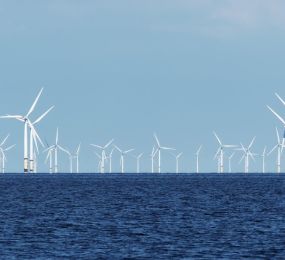
Several European nations are investing heavily in floating wind. The UK, France, Norway, Spain, and Portugal are leading with pilot projects and commercial-scale developments. For example, Norway’s Hywind Tampen project, the world’s largest floating wind farm, is supplying renewable electricity to offshore oil and gas installations.
Floating wind farms also offer the advantage of reducing visual impact on coastal communities, as they can be located far from shore. This opens up new areas for renewable energy generation without the same level of local opposition sometimes faced by onshore and nearshore projects.
Challenges and Opportunities
While floating wind presents enormous potential, it also comes with challenges. The technology is still more expensive than fixed-bottom offshore wind due to higher construction, installation, and maintenance costs. However, as supply chains expand and more projects are deployed, economies of scale are expected to drive down costs significantly.
Another key challenge is infrastructure. Ports, shipyards, and grid connections must be adapted to accommodate larger and more complex floating wind components.
Collaboration between governments, energy developers, and maritime industries will be critical to overcoming these barriers.
Driving the Energy Transition
Floating wind could play a central role in Europe’s plan to achieve net-zero emissions. It complements other renewable sources, helps balance the grid, and offers export opportunities for countries with abundant offshore resources. With the European Union setting ambitious renewable energy targets, floating wind is poised to move from niche to mainstream in the coming decade.
Takeaway Point: Floating wind technology is more than an engineering breakthrough it is a strategic enabler of Europe’s clean energy future. By unlocking deeper waters and stronger winds, it offers a pathway to scale up renewable generation, diversify the energy mix, and accelerate the journey toward a net-zero economy.
Learn more on our website: https://www.leadventgrp.com/event/6th-annual-floating-wind-europe/register
For more information and group participation, contact us: [email protected]
Leadvent Group - Industry Leading Events for Business Leaders!
www.leadventgrp.com | [email protected]




Comment