

CEE Hydrogen: Powering Central and Eastern Europe’s Clean Energy Transition
Central and Eastern Europe (CEE) stands at a critical point in its energy journey. As the region works to reduce carbon emissions, strengthen energy security, and meet climate commitments, hydrogen has emerged as one of the most promising solutions. This versatile energy carrier is gaining momentum not only as a clean fuel but also as a driver of industrial innovation and regional cooperation.
The Role of Hydrogen in CEE’s Energy Strategy
Hydrogen offers unique advantages for CEE countries looking to diversify their energy mix. It can be produced from various sources, including renewable energy, and used across multiple sectors transport, industry, and power generation. For nations heavily dependent on coal or imported natural gas, hydrogen provides a pathway to a more resilient and self-sufficient energy system.
Green hydrogen, produced using renewable electricity, is especially attractive as it supports both climate goals and economic modernization. Many CEE countries are investing in pilot projects, infrastructure, and research to accelerate its adoption.
Driving Industrial Transformation
Industries such as steel, chemicals, and heavy transport are traditionally hard to decarbonize. Hydrogen can replace fossil fuels in these sectors, reducing emissions without compromising efficiency. CEE’s strong industrial base makes it a prime candidate for early large-scale hydrogen deployment.
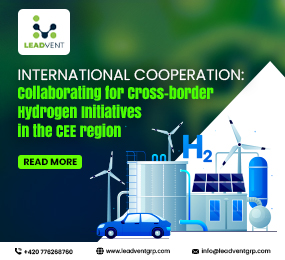
Several regional collaborations are underway, connecting hydrogen production hubs with transport networks and industrial clusters. These efforts not only cut emissions but also position CEE as a competitive player in the emerging global hydrogen market.
Infrastructure and Investment Opportunities
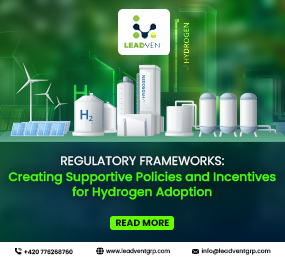
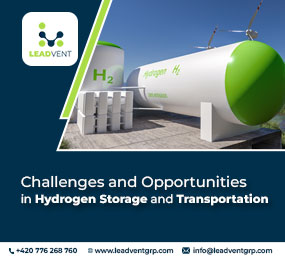
For hydrogen to play its full role, infrastructure development is essential. This includes production facilities, storage solutions, and distribution pipelines. Governments across the region are crafting hydrogen strategies and offering incentives to attract investment from both domestic and international stakeholders.
The European Union’s Green Deal and funding programs are providing a significant boost, ensuring that CEE countries are well-placed to integrate hydrogen into their long-term energy planning.
Building Skills and Knowledge
Transitioning to a hydrogen economy is not just about technology it requires skilled professionals, research capacity, and public engagement. Universities, technical institutes, and industry associations in CEE are working to develop expertise and raise awareness about the benefits and safety of hydrogen use.
Takeaway Point: Hydrogen presents Central and Eastern Europe with an unprecedented opportunity to modernize its energy systems, strengthen industrial competitiveness, and meet climate goals. With coordinated investment, innovation, and policy support, CEE can become a leader in Europe’s clean hydrogen revolution, securing both environmental and economic benefits for decades to come.
Learn more on our website: https://www.leadventgrp.com/event/9th-edition-cee-hydrogen-summit/register
For more information and group participation, contact us: [email protected]
Leadvent Group - Industry Leading Events for Business Leaders!
www.leadventgrp.com | [email protected]







Comment