

Floating Solar: Unlocking Clean Energy on Water
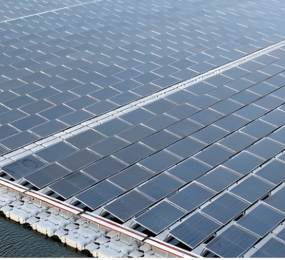
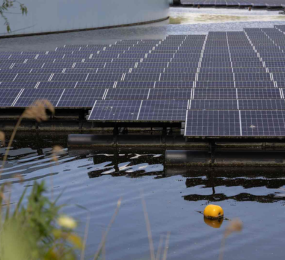
As the world searches for smarter, cleaner energy solutions, floating solar has emerged as one of the most promising frontiers in renewable power. Also known as floating photovoltaics (FPV), this technology places solar panels on bodies of water rather than on land, offering a practical and efficient alternative for countries facing land constraints or rising energy demand. Beyond its innovative design, floating solar represents a shift in how societies think about space, energy, and sustainability.
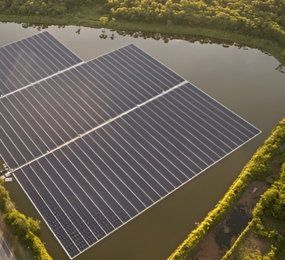
The appeal of floating solar stems from its ability to maximize underused water surfaces. Reservoirs, lakes, dams, and even water treatment facilities can host these systems, transforming quiet stretches of water into productive energy assets. This approach allows countries to scale renewable power without competing with agriculture, housing, or conservation land—an increasingly important advantage as global populations grow and land resources become more limited.
One of the standout benefits of floating solar is its improved efficiency. Water naturally cools the panels, helping maintain optimal temperatures and boosting electricity generation compared to traditional land-mounted systems. In some regions, this efficiency gain can make a meaningful difference in output, making the technology not only innovative but also economically competitive.
Floating solar also carries environmental value. By shading the water’s surface, FPV systems can reduce evaporation—a notable benefit for drought-prone regions where every drop matters. In reservoirs, floating platforms can help limit algae growth by reducing sunlight penetration, indirectly supporting water quality. While environmental considerations must always be carefully managed, especially for aquatic ecosystems, well-designed projects can bring both energy and ecological advantages.
Globally, floating solar is gaining momentum. Countries in Asia, Europe, and increasingly Africa are recognizing its potential, launching large-scale projects that demonstrate its practicality and resilience. Partnerships between governments, private developers, and utility companies are accelerating growth, often supported by policies aimed at expanding renewable energy capacity.
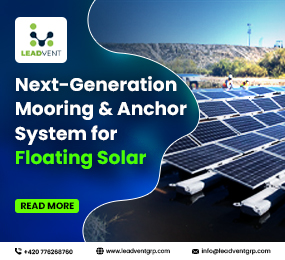
The technology does come with challenges, including installation costs, anchoring systems, and durability in harsh weather conditions. Still, continuous improvements in engineering and materials are helping overcome these barriers. As knowledge grows and supply chains mature, floating solar is becoming more accessible, competitive, and adaptable to different environments.
For many regions especially those balancing energy needs with limited land—floating solar offers a new way forward. It represents more than an engineering solution; it reflects a broader evolution toward flexible, efficient, and sustainable energy systems.
Takeaway Point: Floating solar is creating opportunity where space is scarce, turning water surfaces into clean energy hubs and marking a new chapter in the global shift toward sustainable power.
Learn more on our website: https://www.leadventgrp.com/event/6th-annual-floating-solar-pv-forum/register
For more information and group participation, contact us: [email protected]
Leadvent Group - Industry Leading Events for Business Leaders!
www.leadventgrp.com | [email protected]




Comment