

Floating Solar PV: Expanding Renewable Energy Beyond Land Constraints
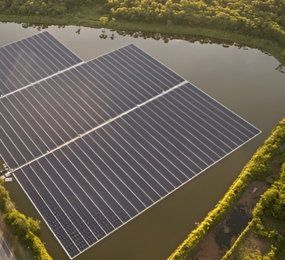
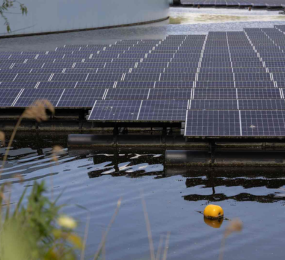
As demand for renewable energy accelerates, developers are increasingly looking beyond traditional project sites. Floating solar photovoltaic (PV) systems, installed on reservoirs, lakes, and other calm water bodies are emerging as a practical response to land scarcity and rising energy needs.
Conventional ground-mounted solar projects require significant land area, which can be costly or difficult to secure in densely populated regions. Floating solar addresses this challenge by utilizing underused water surfaces, particularly artificial reservoirs associated with hydropower plants, irrigation systems, or water treatment facilities. This approach allows energy generation without competing directly with agricultural or urban land use.
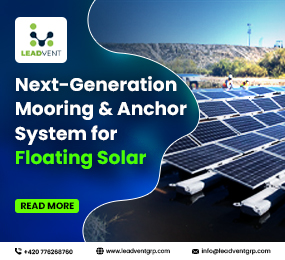
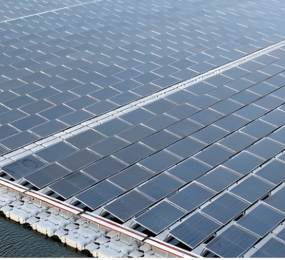
Technically, floating solar systems are similar to land-based installations. Solar panels are mounted on buoyant structures anchored to the bed or shoreline of a water body. Inverters and electrical equipment are positioned either on floating platforms or on land nearby. The technology has matured rapidly, with improved anchoring systems and materials designed to withstand water exposure and weather conditions.
One of the notable advantages of floating solar is its potential performance benefit. The cooling effect of water can reduce panel temperatures, improving efficiency compared to systems exposed to higher ground temperatures. While performance gains vary depending on climate and design, even modest efficiency improvements contribute to stronger project economics over time.
Environmental considerations are central to project planning. Proper design ensures minimal disruption to aquatic ecosystems and water quality. In some cases, floating solar installations can reduce water evaporation from reservoirs, offering additional value in regions facing water scarcity. However, careful environmental assessments remain essential to balance energy production with ecological protection.
Hybridization with hydropower presents a compelling opportunity. By installing floating solar arrays on hydropower reservoirs, operators can leverage existing grid connections and transmission infrastructure. Solar generation during daylight hours complements hydropower output, enhancing overall flexibility and stabilizing electricity supply. This integrated approach supports more efficient use of energy assets.
From an economic perspective, floating solar projects may carry slightly higher upfront costs due to specialized floating structures and anchoring systems. However, savings on land acquisition and potential efficiency gains can offset these expenses. As deployment scales and manufacturing capacity expands, costs are expected to become more competitive.
Regulatory clarity and permitting frameworks play a critical role in adoption. Water rights, environmental regulations, and grid interconnection requirements vary across jurisdictions. Developers must work closely with authorities to ensure compliance and long-term project viability.
Globally, floating solar capacity has grown steadily, particularly in Asia and parts of Europe. As renewable targets become more ambitious, governments and utilities are exploring floating solar as part of diversified energy strategies.
Floating solar PV does not replace land-based solar; rather, it complements it. By unlocking new surfaces for generation, it broadens the renewable energy landscape and provides additional flexibility in project siting.
Key Takeaway
Floating solar PV offers a practical solution to land constraints, combining efficient renewable energy generation with innovative use of water surfaces to support expanding clean energy targets.
Learn more on our website: https://www.leadventgrp.com/event/6th-annual-floating-solar-pv-forum/register
For more information and group participation, contact us: [email protected]
Leadvent Group - Industry Leading Events for Business Leaders!
www.leadventgrp.com | [email protected]




Comment