

Floating Solar: Expanding Renewable Energy Beyond Land Constraints
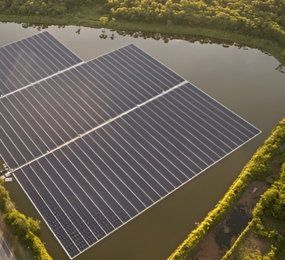
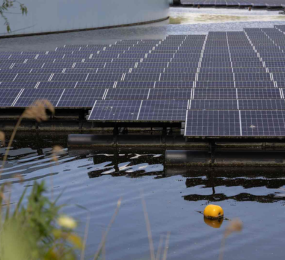
As countries accelerate their transition toward cleaner energy sources, solar power continues to play a central role in global electricity generation. Yet in many regions, large-scale solar projects face a familiar challenge: limited land availability. Floating solar, also known as floating photovoltaic (FPV), offers a practical solution by placing solar panels on reservoirs, lakes, and other calm water bodies.
This innovative approach allows developers to generate renewable electricity without competing for valuable land resources. Instead of occupying farmland or urban space, floating solar installations make productive use of underutilized water surfaces. For nations with dense populations or limited open land, the concept presents an attractive alternative for expanding renewable energy capacity.
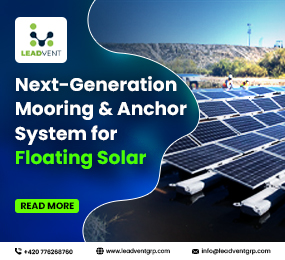
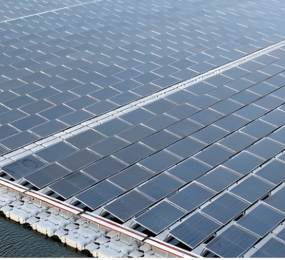
The technology itself is relatively straightforward. Solar panels are mounted on buoyant structures that float on the water’s surface and are anchored securely to prevent movement due to wind or currents. Electrical systems connect the floating arrays to onshore substations where the generated electricity is transmitted to the grid.
One of the major advantages of floating solar lies in its operational efficiency. Water naturally cools the solar panels, helping them operate at lower temperatures than traditional ground-mounted systems. Because solar modules tend to lose efficiency when overheated, the cooling effect of water can improve overall power output. In addition, floating arrays can reduce water evaporation from reservoirs, which is particularly valuable in regions facing water scarcity.
Floating solar projects also integrate well with existing hydropower facilities. Many hydropower reservoirs already have transmission infrastructure in place, allowing solar arrays to connect easily to the grid. This hybrid approach enables utilities to balance electricity generation more effectively, using solar power during sunny periods and hydropower during peak demand or cloudy conditions.
Despite its promise, floating solar does come with technical considerations. Installation and maintenance on water require specialized engineering and safety procedures. The anchoring systems must withstand weather conditions, while electrical components need robust protection against moisture and corrosion. Environmental assessments are also essential to ensure that aquatic ecosystems remain unaffected by large-scale installations.
Cost is another factor that developers evaluate carefully. Floating systems typically involve higher upfront costs compared to conventional solar farms due to specialized
materials and installation requirements. However, as technology advances and more projects are deployed globally, economies of scale are gradually reducing these costs.
The growing interest in floating solar reflects the broader push for innovation within renewable energy. Countries in Asia, Europe, and parts of Africa are already investing in pilot projects and large-scale installations. As the technology matures, floating solar could become an important component of national energy strategies.
Ultimately, floating solar represents more than a technical innovation; it demonstrates how renewable energy development can adapt to geographic and environmental constraints. By transforming unused water surfaces into productive energy assets, the technology opens new opportunities for clean electricity generation while supporting sustainable resource management.
Key Takeaway
Floating solar provides a practical way to expand renewable energy generation by utilizing water surfaces, improving solar efficiency, conserving land resources, and supporting sustainable power development. Learn more on our website: https://www.leadventgrp.com/event/6th-annual-floating-solar-pv-forum/register For more information and group participation, contact us: [email protected] .
Leadvent Group - Industry Leading Events for Business Leaders!
www.leadventgrp.com | [email protected]






Comment