

Floating Solar: A New Dimension for Renewable Energy
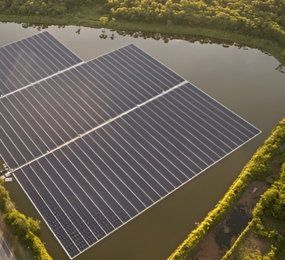
As the demand for renewable energy continues to rise, innovation is pushing beyond traditional land-based solutions. Floating solar, also known as floating photovoltaic (FPV) systems, is gaining recognition as a practical way to expand clean energy generation while making efficient use of available resources. By placing solar panels on water bodies such as reservoirs, lakes, and industrial ponds, floating solar introduces a new dimension to energy infrastructure.
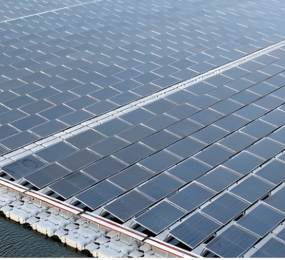
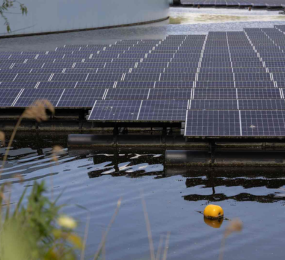
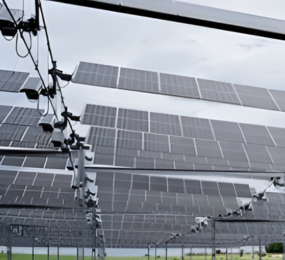
Floating solar systems function in much the same way as conventional solar installations. Photovoltaic panels capture sunlight and convert it into electricity, which is then transmitted to the grid. The difference lies in the mounting system—panels are installed on buoyant platforms that float on the water’s surface and are anchored securely to maintain stability.
One of the most significant advantages of floating solar is its ability to preserve land. In many regions, land is already under pressure from agriculture, urban development, and industrial use. By utilizing water surfaces, floating solar allows energy generation to expand without competing for valuable land resources. This is particularly beneficial in densely populated or land-constrained areas.
Floating solar systems can also deliver improved efficiency. Solar panels naturally perform better in cooler conditions, and the presence of water helps regulate temperature by providing a cooling effect. This can lead to higher energy output compared to similar systems installed on land.
Water conservation is another important benefit. By covering a portion of the water surface, floating solar panels reduce direct exposure to sunlight, which helps limit evaporation. This is especially valuable for reservoirs used for drinking water or irrigation, where maintaining water levels is essential.
In addition, floating solar can contribute to better water quality. Reduced sunlight penetration can limit the growth of algae in certain conditions, helping maintain cleaner water. While this benefit depends on the specific environment, it highlights the broader potential of integrating energy systems with natural resources.
The adaptability of floating solar makes it suitable for a wide range of applications. It can be deployed on natural lakes, man-made reservoirs, and even water bodies associated with industrial operations. In some cases, floating solar is combined with hydropower facilities, creating hybrid systems that maximize energy generation from a single site.
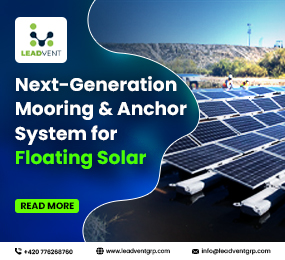
Despite its advantages, floating solar presents unique challenges. Installation and maintenance require specialized expertise, particularly in environments with fluctuating water levels or strong weather conditions. Engineers must carefully design anchoring systems to ensure long-term stability and durability.
Cost is another consideration. While floating solar offers efficiency benefits, initial investment costs can be higher than traditional ground-mounted systems. However, as the technology matures and more projects are implemented, costs are expected to become more competitive.
Globally, floating solar is becoming an important part of renewable energy strategies. Governments and developers are exploring its potential as they seek to diversify energy sources and meet sustainability targets.
Floating solar reflects a broader shift in how energy solutions are developed—one that focuses not only on technology but also on resource efficiency. By turning underutilized water surfaces into productive energy assets, it offers a practical pathway toward a more sustainable future.
Takeaway Point:
Floating solar enables efficient use of water surfaces for clean energy generation, improving performance while conserving land and supporting sustainable resource management.
Learn more on our website: https://www.leadventgrp.com/event/6th-annual-floating-solar-pv-forum/register
For more information and group participation, contact us: [email protected]
Leadvent Group - Industry Leading Events for Business Leaders!
www.leadventgrp.com | [email protected]





Comment