

E-Fuels: Pioneering a Cleaner Future for Transportation
As the global push toward sustainability gathers momentum, e-fuels have emerged as a promising alternative in the race to decarbonize transportation. Unlike traditional fossil fuels, e-fuels or electrofuels are synthesized using renewable electricity, water, and carbon dioxide, creating a cleaner, sustainable energy source that mimics the properties of gasoline, diesel, and jet fuel.
What sets e-fuels apart is their compatibility with existing internal combustion engines and infrastructure. This means cars, trucks, planes, and ships already on the road or in service could continue operating without major modifications. For industries where electrification isn't yet feasible like aviation, shipping, and heavy-duty transport e-fuels present a realistic path to reducing carbon emissions without compromising performance.
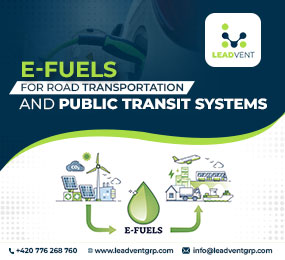
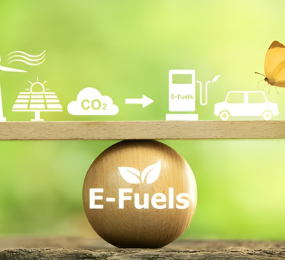
The process of creating e-fuels involves capturing carbon dioxide either directly from the atmosphere or from industrial sources and combining it with hydrogen produced through water electrolysis powered by renewable energy. The result is a synthetic fuel that burns cleaner and helps close the carbon loop.
Europe has taken the lead in advancing e-fuel development, with Germany, in particular, investing heavily in pilot plants and regulatory frameworks that support their scale-up. Major automotive and aviation players are also exploring partnerships and investments in e-fuel technologies, seeing them as a way to bridge the transition to full electrification.
However, challenges remain. E-fuel production is currently energy-intensive and costly, making large-scale adoption difficult without significant policy support and continued technological improvements. Critics argue that the energy efficiency of e-fuels lags behind battery-electric alternatives, especially in passenger vehicles. Yet for sectors where range, weight, and energy density are critical, e-fuels offer a viable and much-needed solution.
Despite the hurdles, the potential benefits are too significant to ignore. E-fuels offer a pathway to net-zero emissions while leveraging the infrastructure we already have. They also provide energy security by reducing dependence on oil imports and promoting domestic renewable energy use.
As the world edges closer to climate deadlines and nations seek practical ways to meet emission targets, e-fuels could become a key piece of the global sustainability puzzle. Their success depends on continued innovation, investment, and international collaboration.
Takeaway Point:
E-fuels offer a powerful middle ground enabling significant emission reductions in
hard-to-electrify sectors while using current infrastructure. Though not a silver bullet, they represent a crucial step toward a cleaner, more sustainable future in global transport.
Learn more on our website: https://www.leadventgrp.com/event/2nd-annual-world-e-fuels-summit/register
For more information and group participation, contact us: [email protected]
Leadvent Group - Industry Leading Events for Business Leaders!
www.leadventgrp.com | [email protected]









Comment